

Haori Coat vs Kimono Jacket: What's the Difference
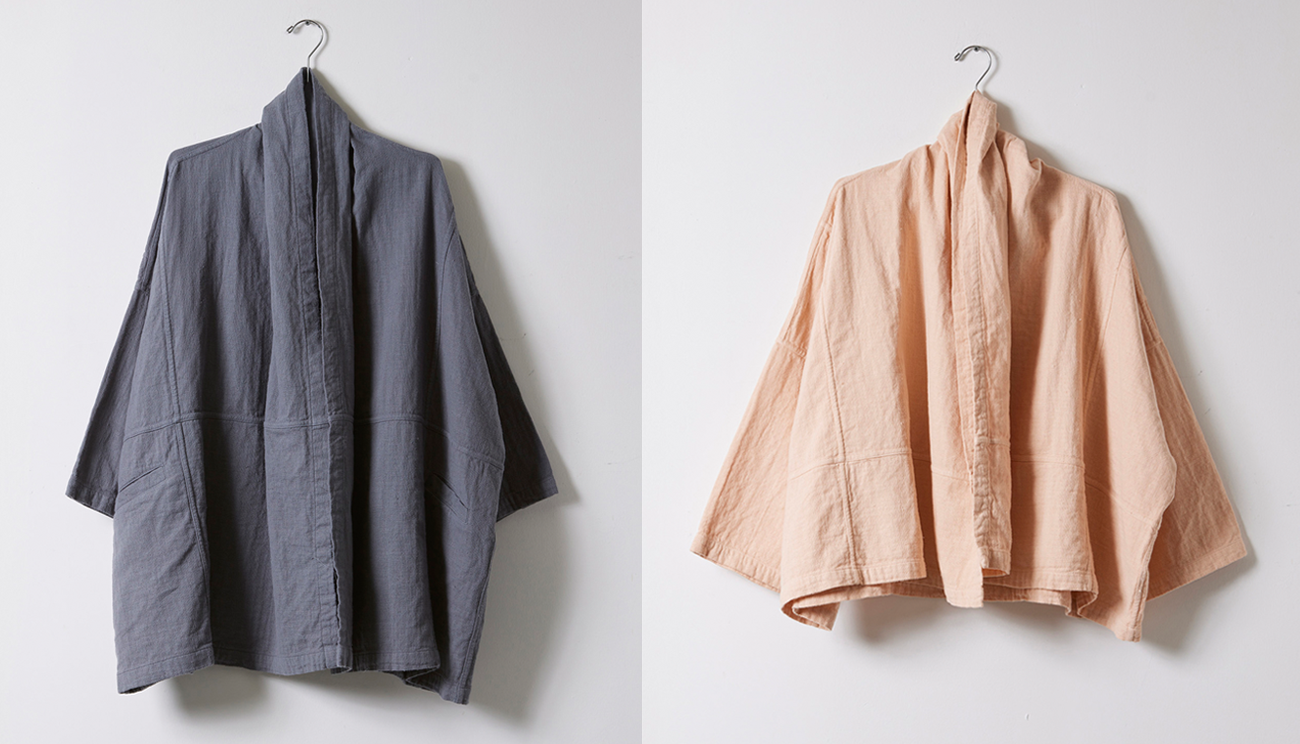
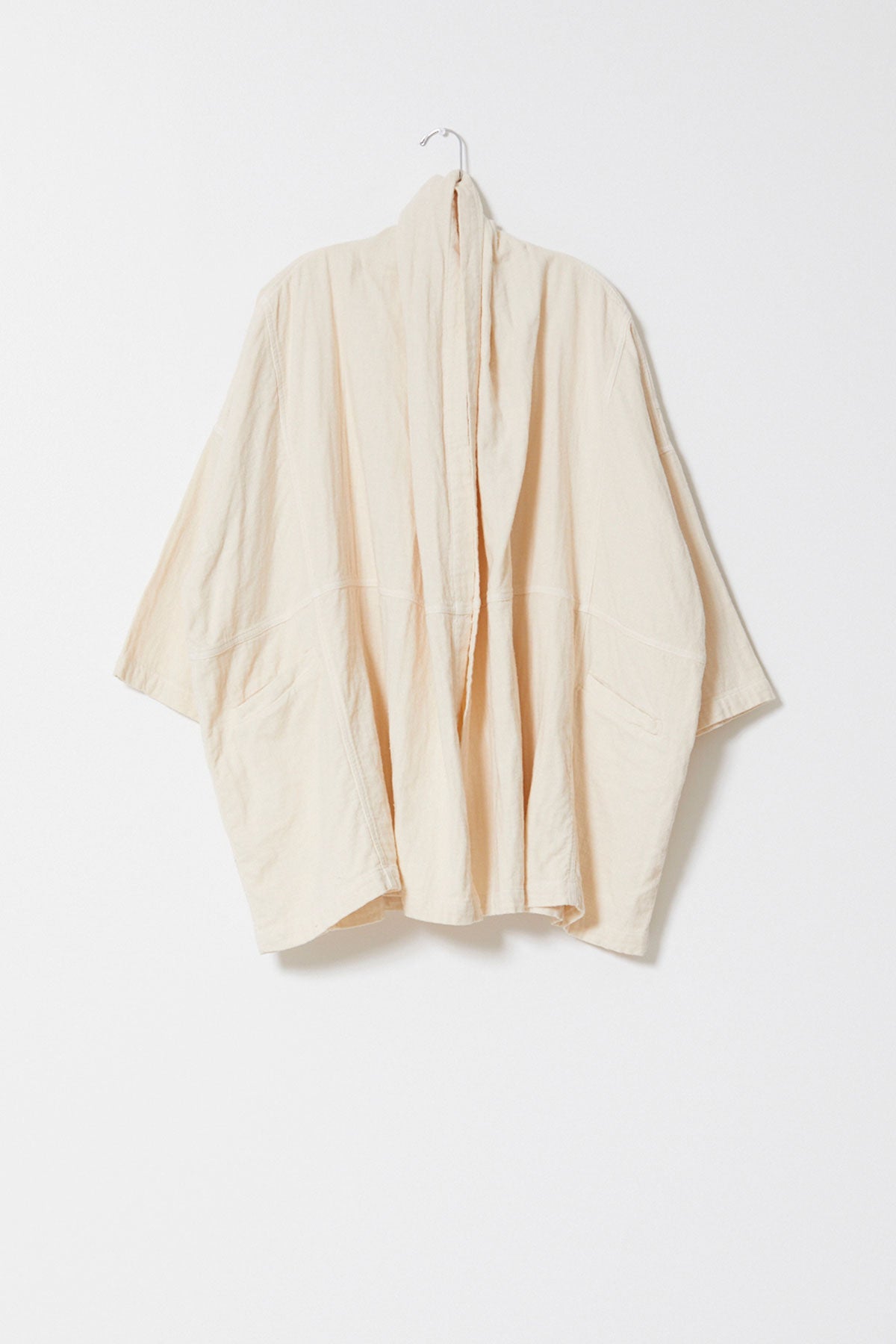
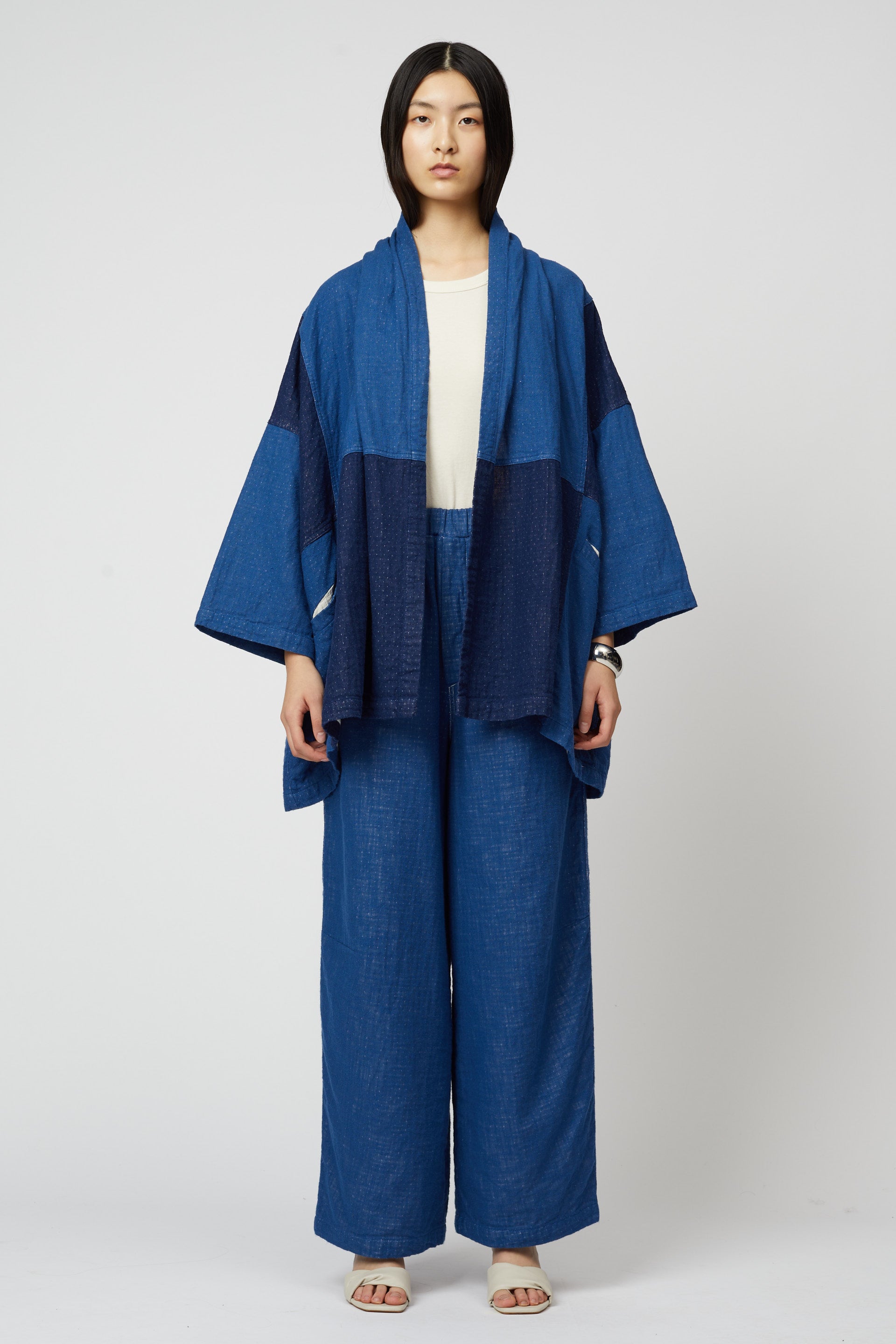
A haori coat and a kimono jacket share a lineage, but they are not the same garment. Both are based on the Japanese idea of "Haoru" (verb), meaning to wear something over what you already have on, and "Haori" (noun), the garment made for that purpose. Both use a kimono sleeve, and both are easy to carry so you can haoru when the day turns cool. The haori coat is longer, covers the hip, and has an open front and shawl collar meant for wrapping. The kimono jacket is shorter and cropped, with the sleeve carrying the shape of the design.
What Is a Haori Coat?
Haoru is a Japanese verb. It means to put something on over what you are already wearing, for warmth or a sense of security. A haori, the noun, is the garment made for this purpose. Traditionally, the haori is a short jacket worn over a kimono. It began as a practical layer and later became an elegant outer garment worn by both men and women.
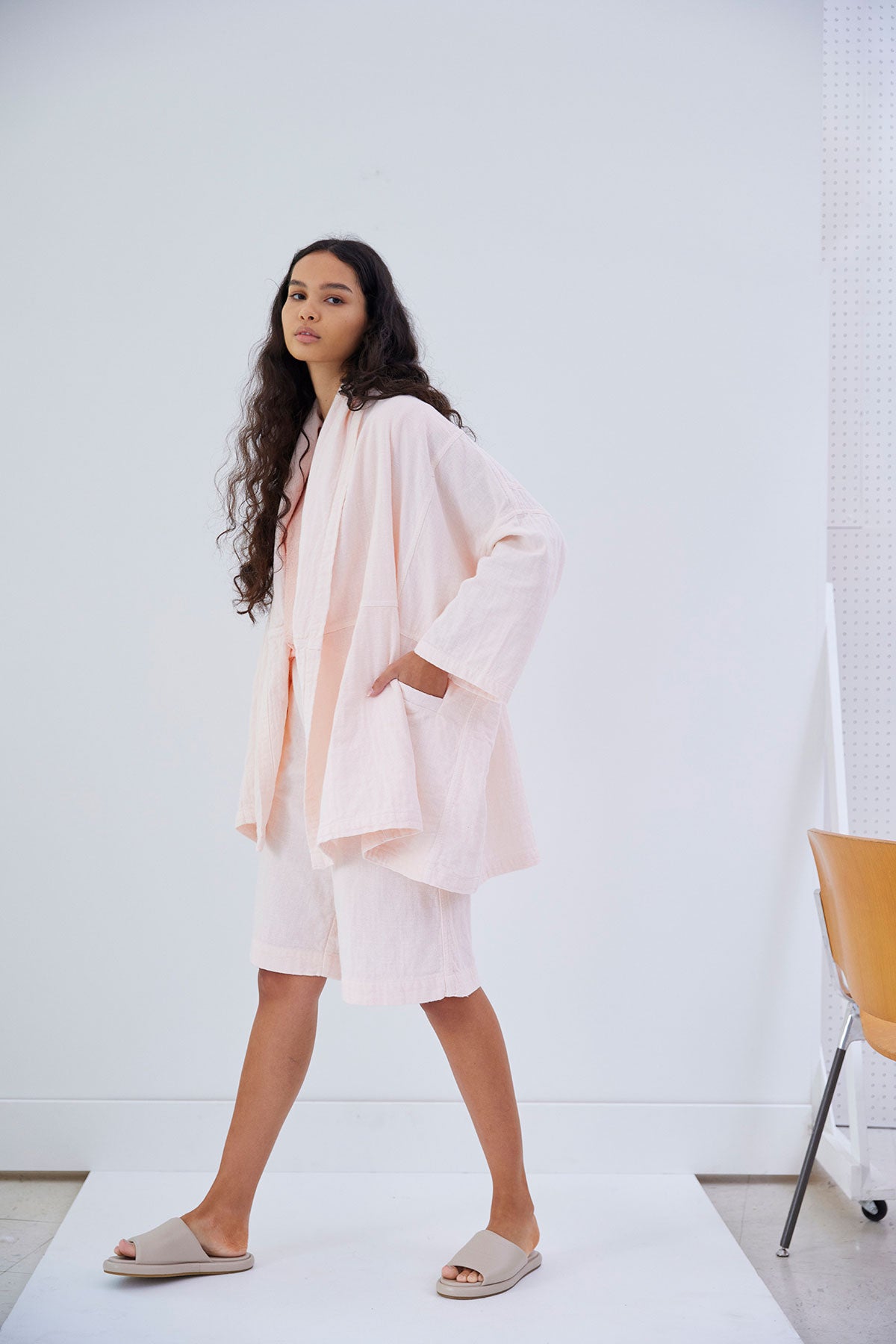
The idea is close to a cardigan, but haoru is about utility rather than styling. You reach for it when you need warmth or a sense of security, not to complete a look. I designed our Haori Coat with that in mind. It folds easily into a bag or suitcase. The front is open, and the proportion goes over almost anything: a tee and denim, a dress, a layer of knitwear. It covers the hip, and I gave it a shawl-like collar so you can wrap it around a baby you are carrying, or belt it over the waist.
The fabric is a heavyweight double layer gauze in organic cotton. The top layer is woven loose from soft, uneven thread, giving it a dry linen-like texture and a breezy feel. The back layer is a softer gauze with the hand of a baby blanket, meant to touch the skin. We wash the fabric in water only, no soap or softener, so it holds its organic texture and stays soft for the life of the garment. It is machine washable and dryable.
For more on how the Haori Coat wears across climates and travel, see The Well Traveled Haori Coat.
What Is a Kimono Jacket?

To answer what is a kimono in Western fashion, the word usually means one of two things: the traditional Japanese garment you might find in a vintage store, or a kimono-sleeve treatment used as a contemporary detail. Both are simplifications. The kimono in Japan is closer to art than to clothing. It carries centuries of context, rules, and craft. Growing up in Japan, I saw kimonos as beautiful to look at but restrictive to wear. Undergarments, wrapping order, many rules to follow. In some ways it is similar to how medieval dress is remembered in Western culture: understood historically in the place it comes from, but often treated abroad as a costume or a styling detail. I appreciate my own culture deeply, and these traditions should never be treated lightly. That formality is also why we no longer wear a traditional kimono in everyday life.
I did not start designing garments influenced by Japan until after I left Japan. I moved to Southern California in 2005, and the distance let me see my own culture with fresh eyes. Not as nostalgia, but as something still relevant to how we live. Our Kimono Jacket came from that. It blends the Japanese sensibility I grew up with and the ease of Southern California, where the climate calls for something lighter than a coat but still layered.
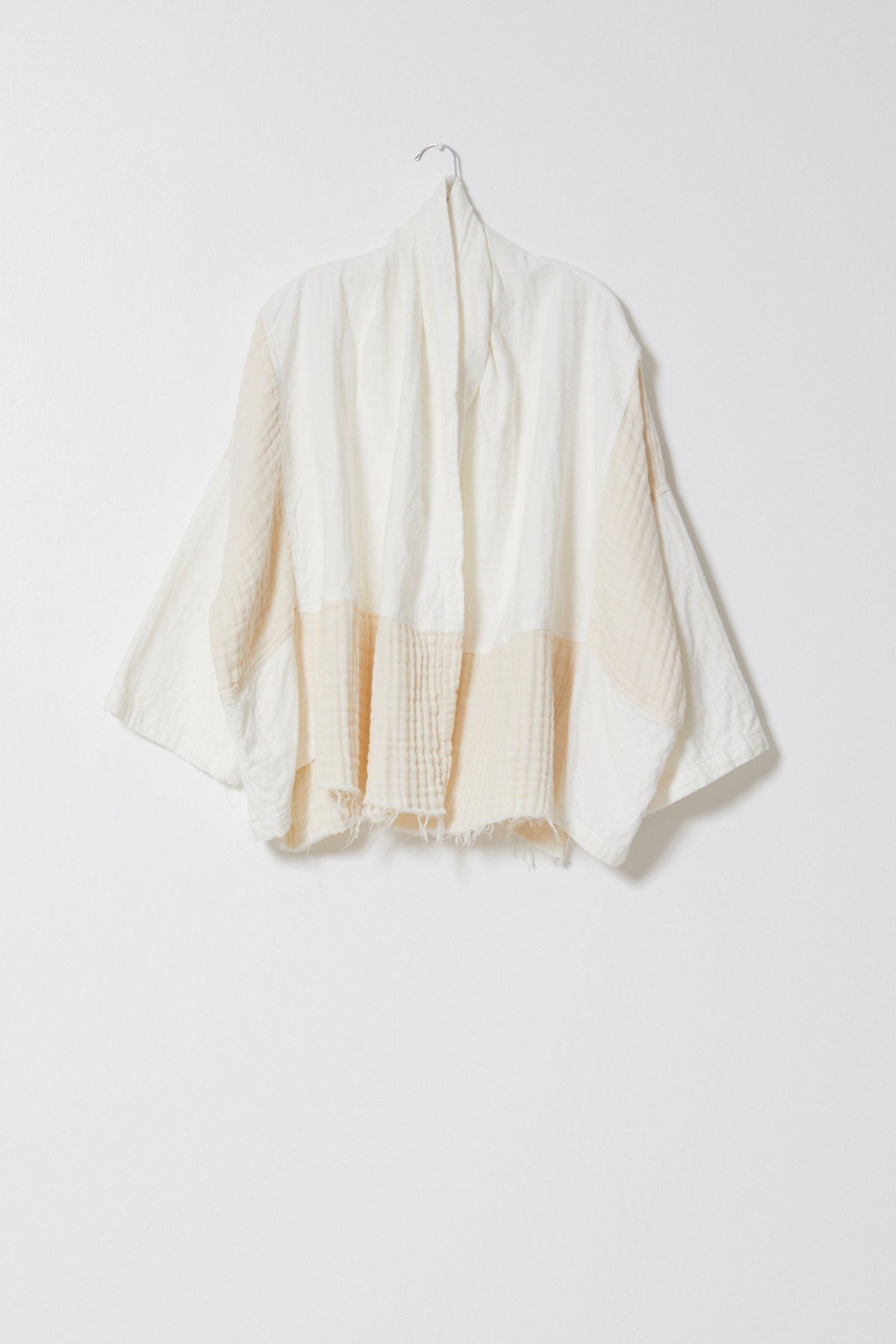
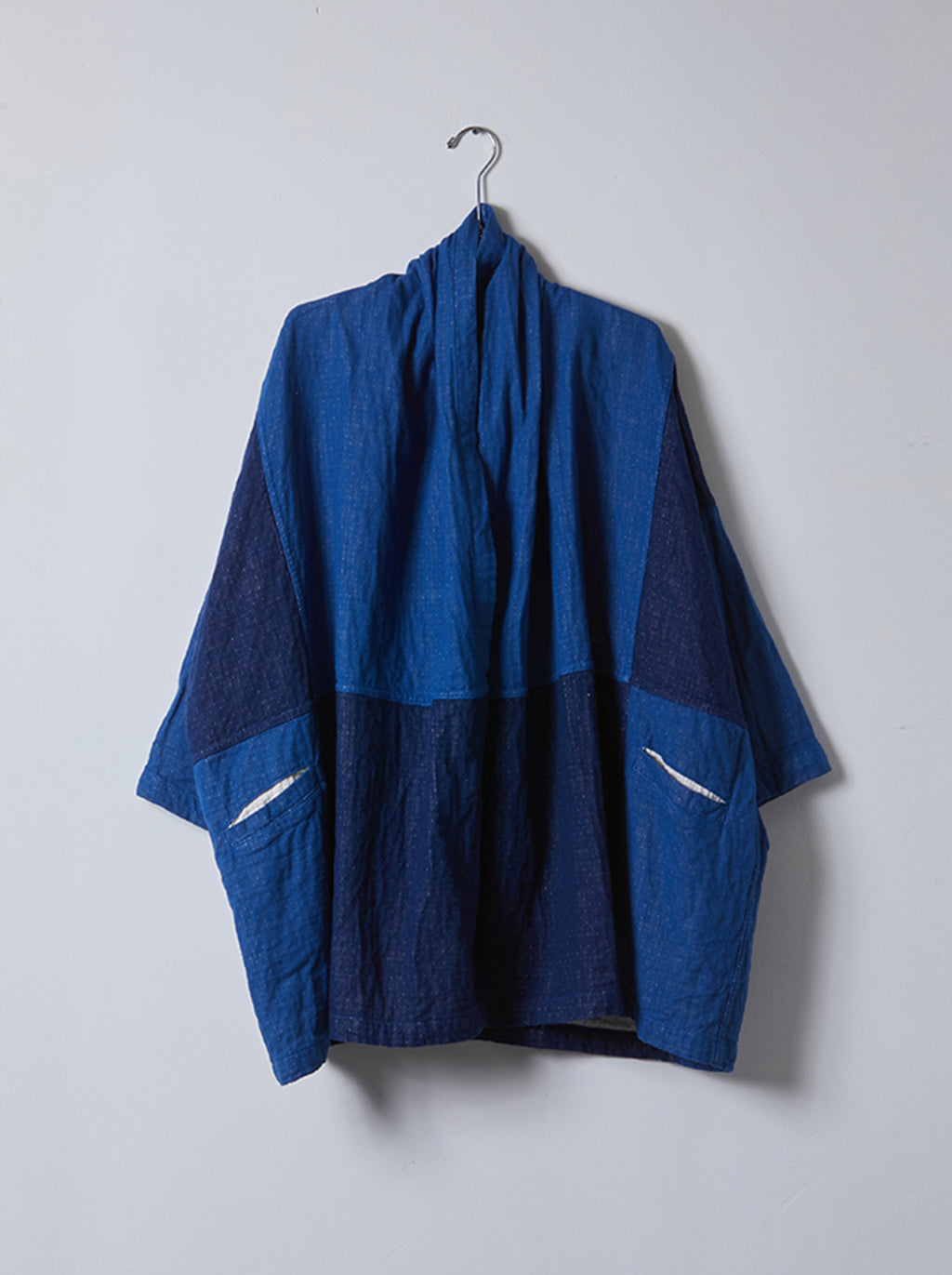
The Kimono Jacket started as an experiment. I cut the Haori Coat to a shorter length, and the balance of the garment shifted. The body no longer led the silhouette. The sleeves did. They create movement, volume, and a soft architectural line that frames the body in a way the longer haori coat does not. That is why I named it Kimono, for the way the sleeve carries the design.
We typically make the Kimono Jacket in washed cotton or soft French terry. These fabrics let the sleeves hold their shape while staying light enough for the Southern California climate.
"I did not start designing garments influenced by Japan until after I left Japan.”
How the Haori Coat and Kimono Jacket Differ
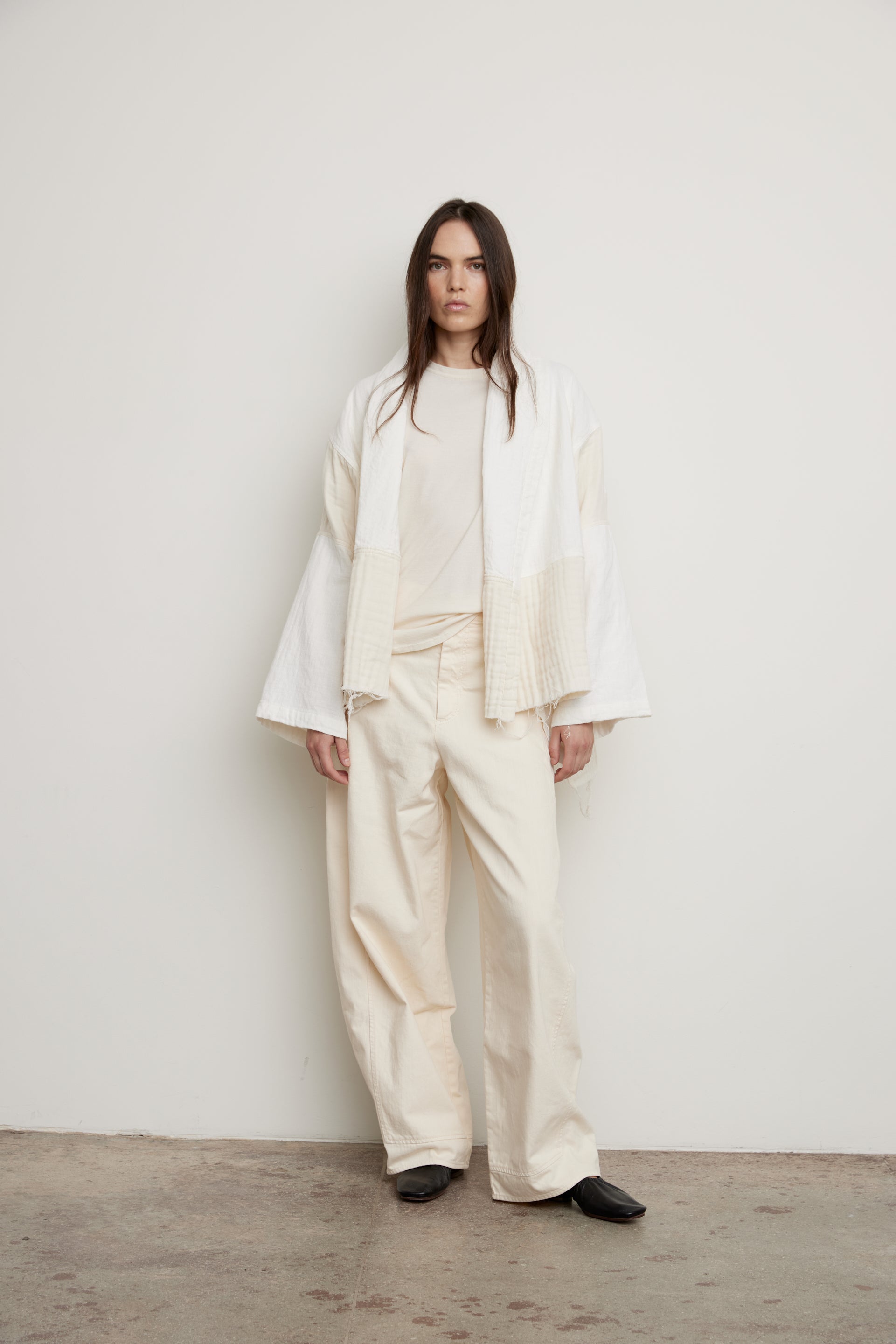
The two garments look distinct on the body. The Haori Coat is a cocoon. I sometimes call it a hug coat because it wraps you, covers the hip, and the shawl collar can even be worn as a hood. It carries a feeling of being held. The Kimono Jacket sits closer to a bolero or cropped jacket. It sits higher on the body, with more space around the arms and torso. Where the Haori Coat closes around you, the Kimono Jacket opens outward. It creates air and movement rather than warmth.
I am an emotional person, so I tend to weigh how a garment feels more than how it looks. Both of these pieces were designed with that in mind.
ジャケット&コート

How to Choose Between the Haori Coat and Kimono Jacket
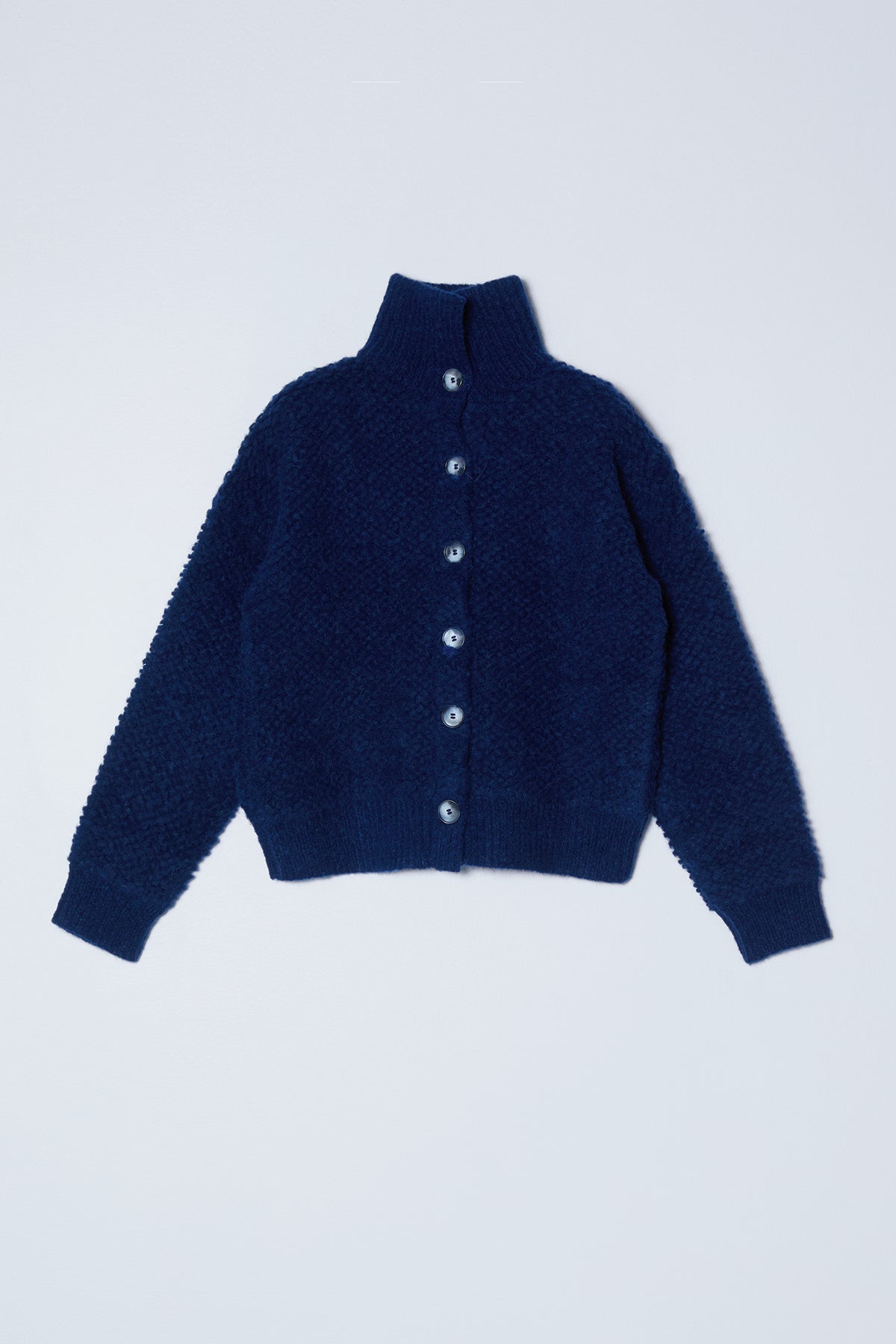
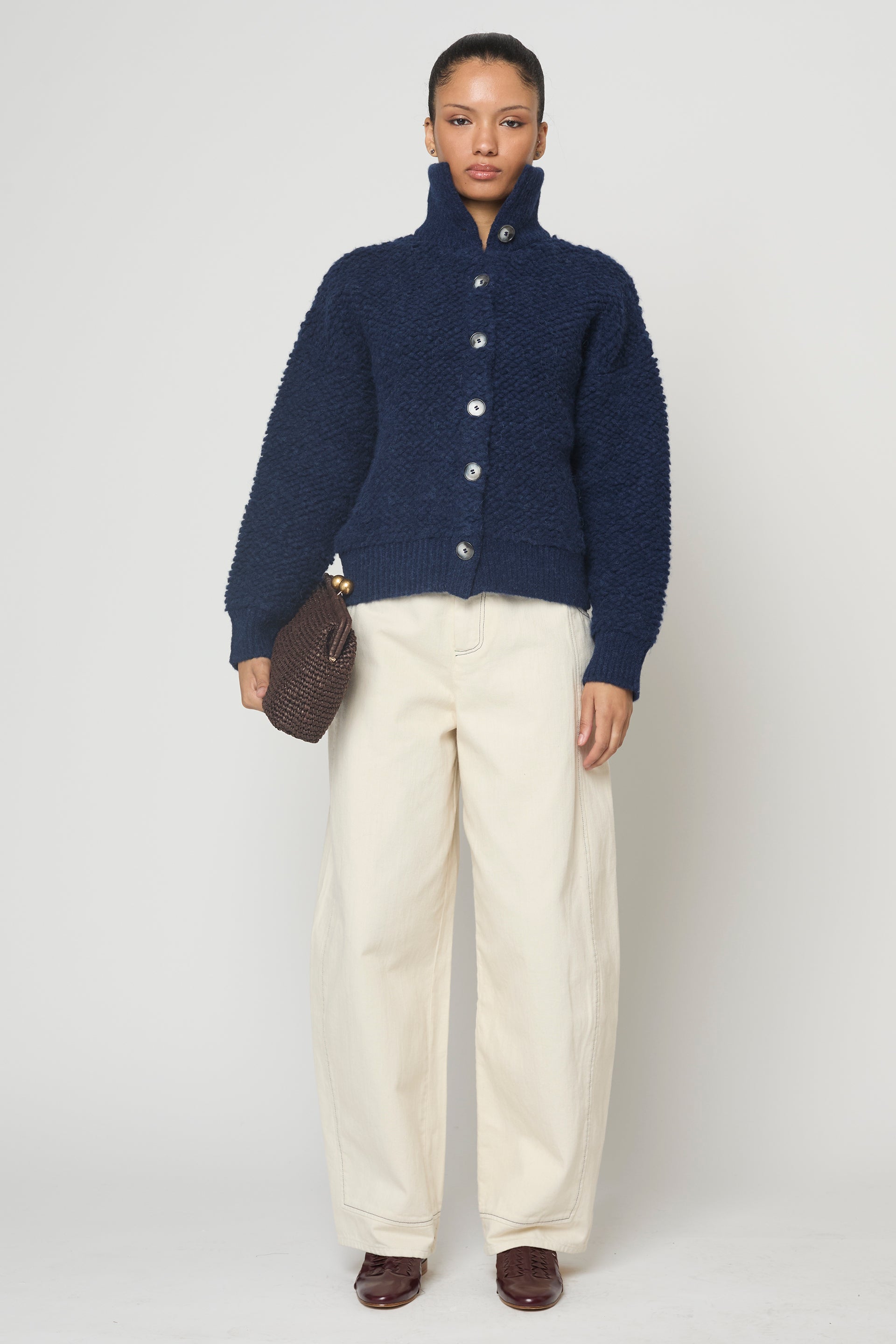
Rather than thinking about the occasion, I like to think about how I want to feel that day. If I want a sense of comfort and ease, I reach for the Haori Coat. The longer proportion and generous volume wrap around the body, almost like a blanket. It becomes part of you throughout the day.
The Kimono Jacket has a different energy. Because it is shorter and more open, it feels lighter on the body and layers over dresses, tanks, or trousers. It does not surround you the same way. It creates space and movement. I wear it when I want to feel lighter, freer, a little more playful.
One is not better than the other. They simply support different needs. Some days you want to feel held. Other days you want to feel open.