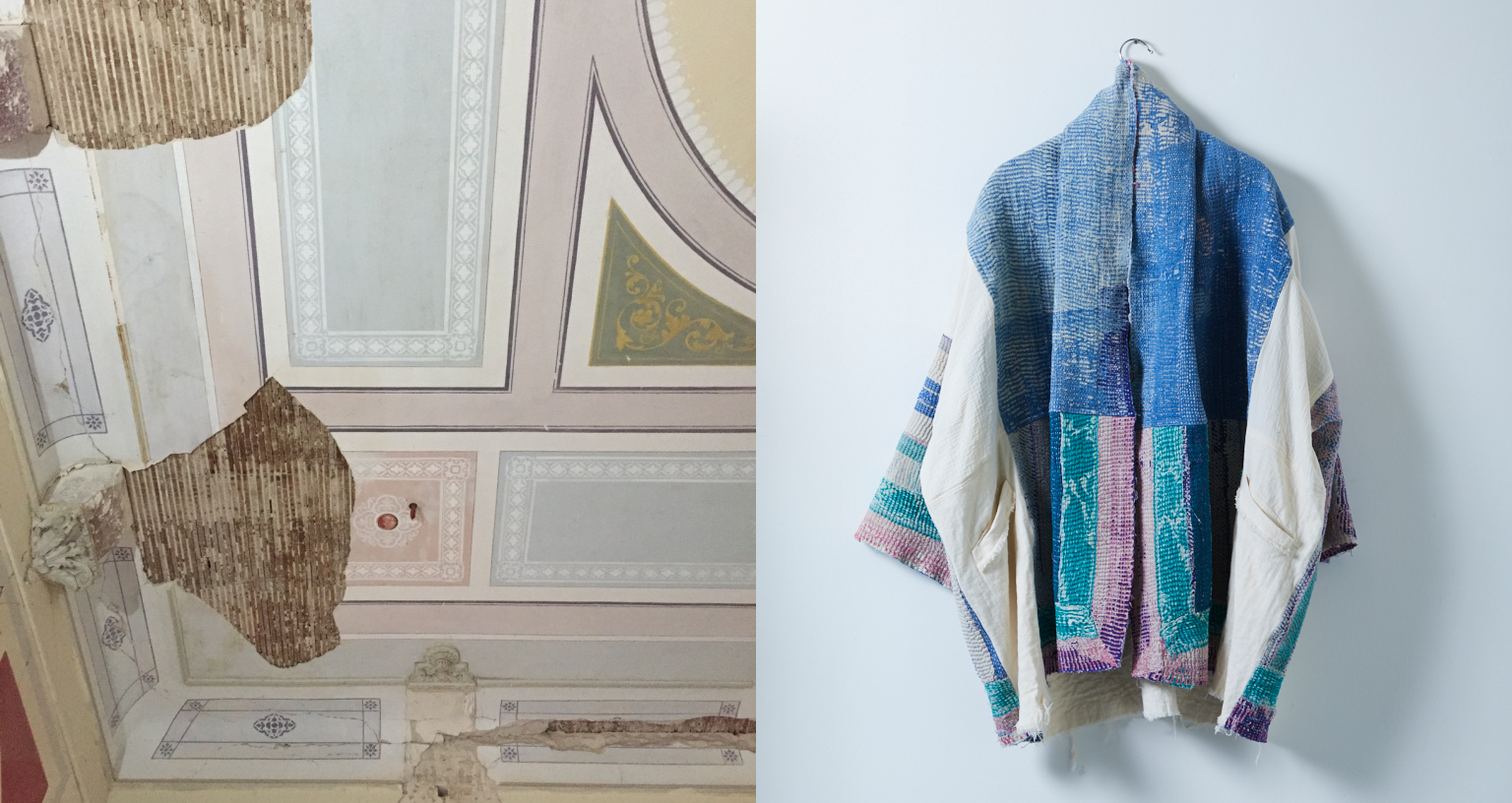
The Well Traveled Haori Coat
One of the reasons Atelier Delphine exists is to seek authenticity.
The haori coat has long existed as a Japanese outer layer worn open over a kimono jacket. Its form is simple. Its purpose is movement. In contemporary language, it is sometimes called a kimono jacket, though the intention of a haori is more specific. It is a garment meant to travel.
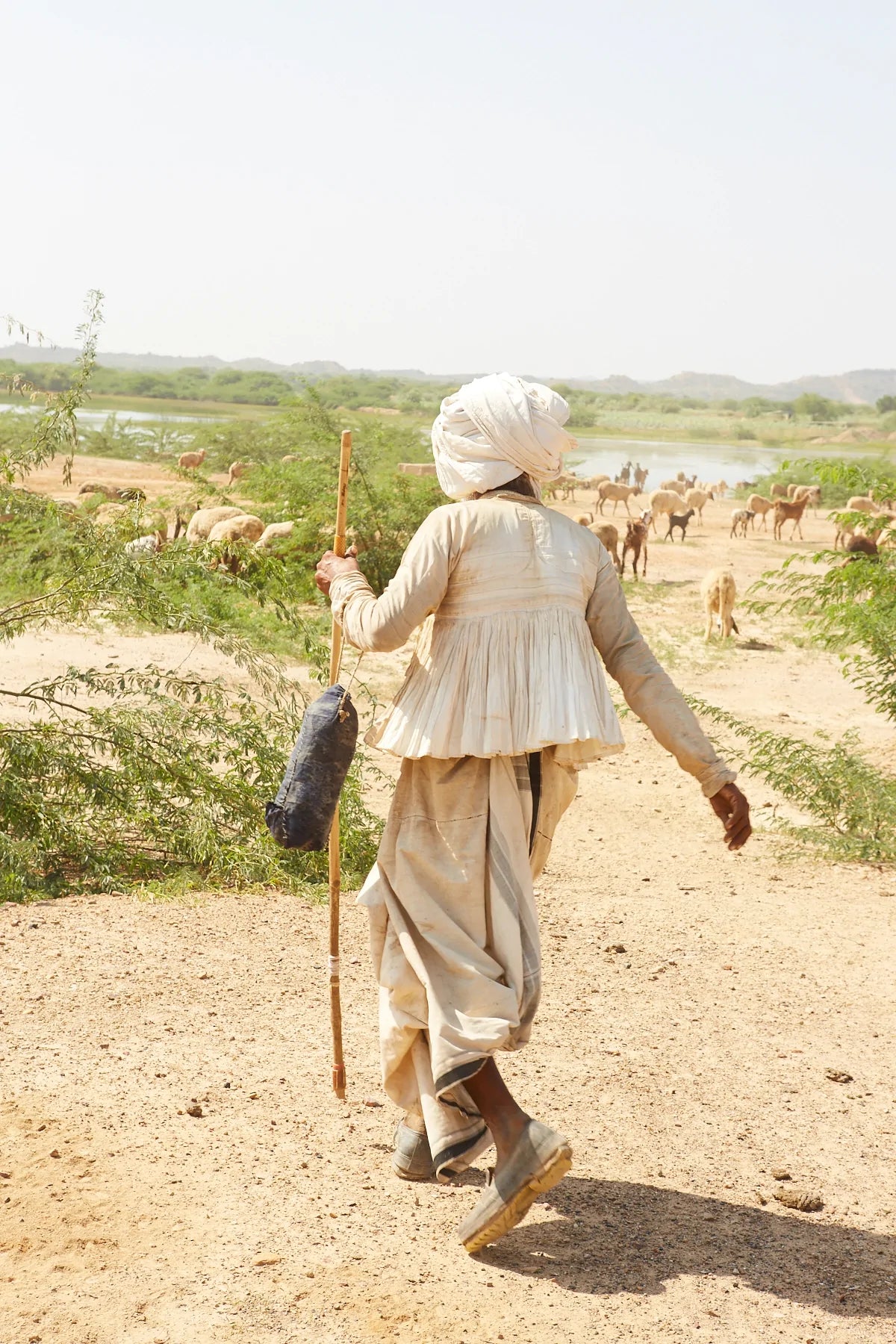
Why am I traveling? To know and to be pure and real.
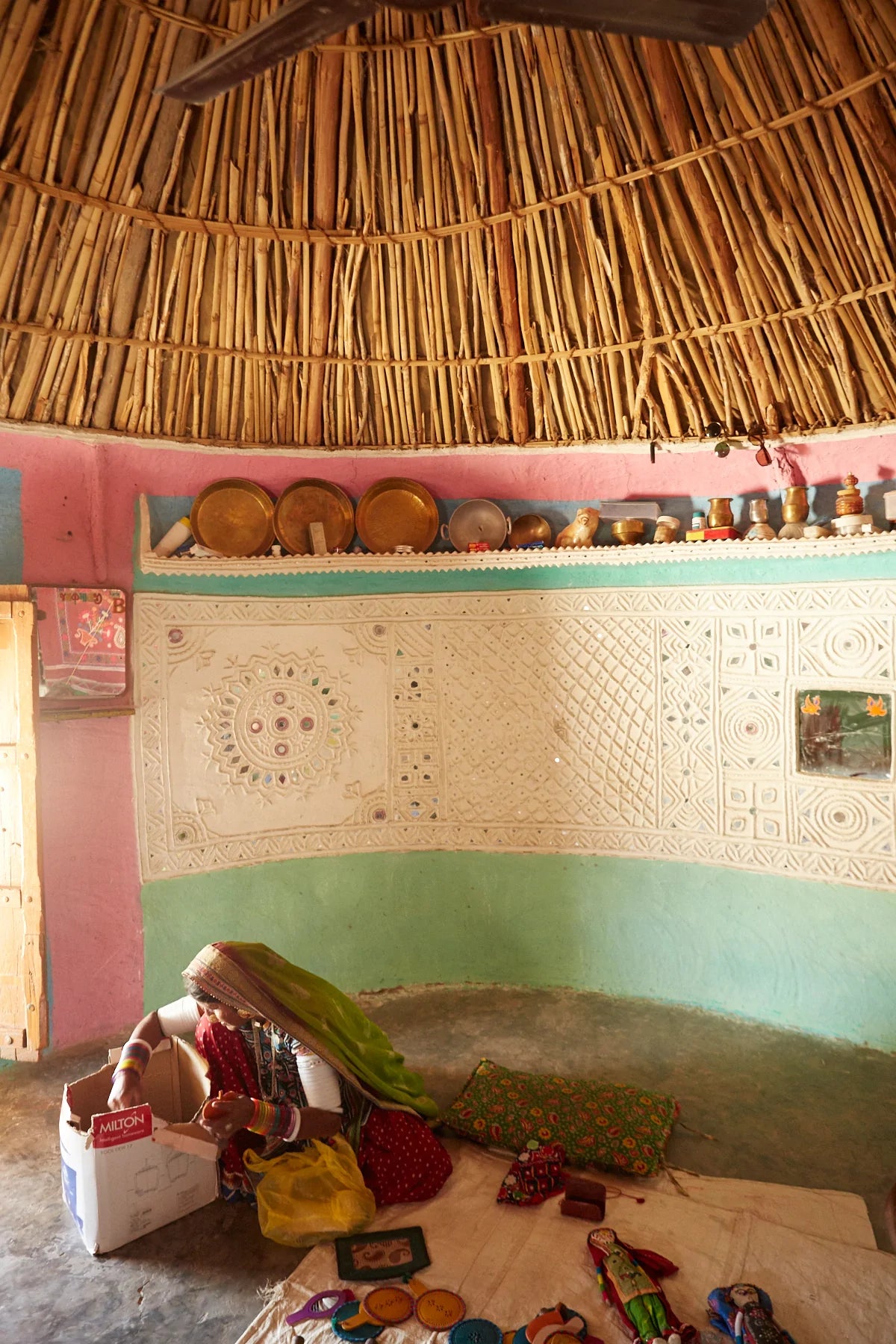
Through backpacking and traveling in the developing world, I am moved and deeply touched by the hearts of people.
I return to the haori because of its restraint. It carries history without excess. It layers without fastening. It allows space around the body.
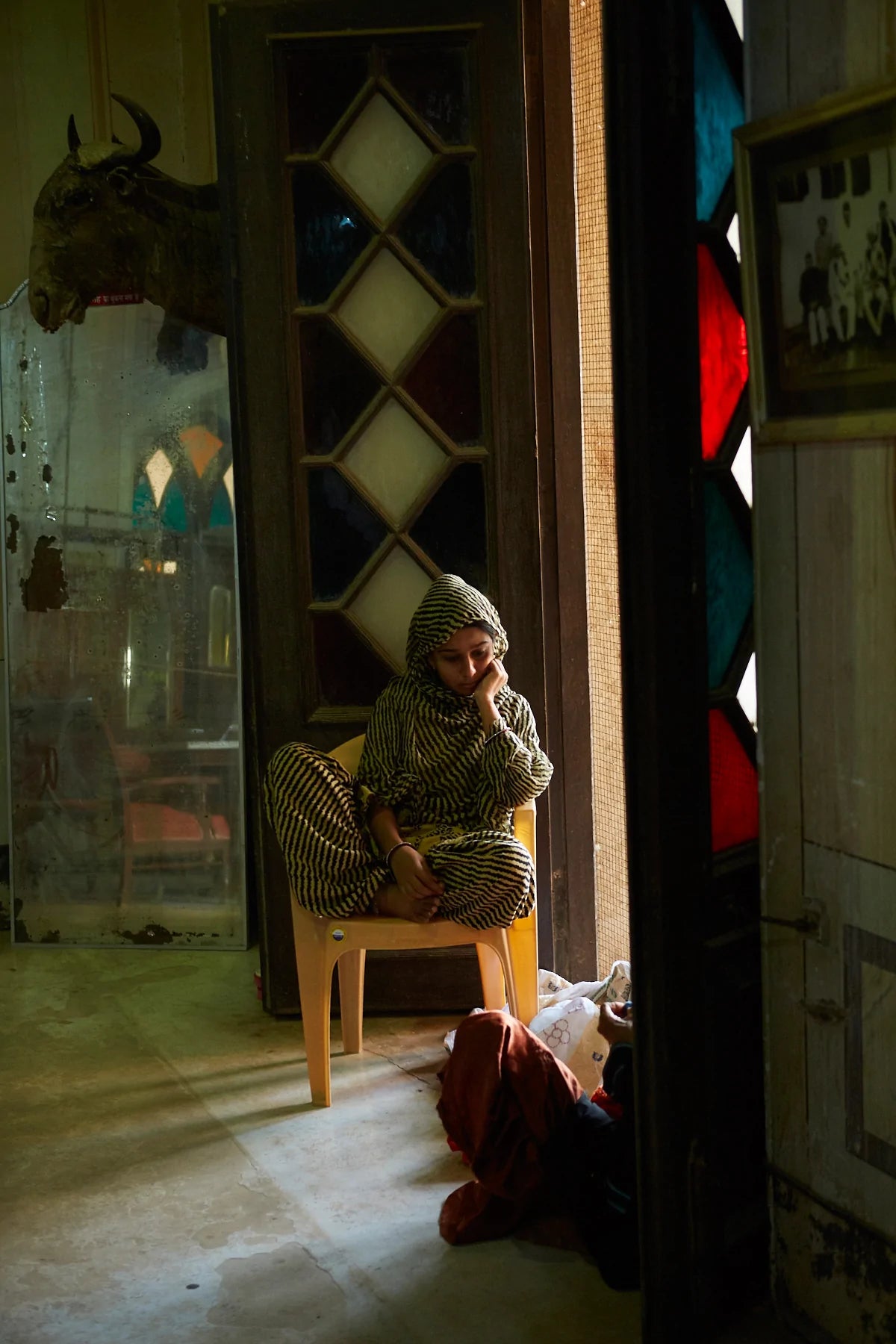
The artisans I work with help inspire me to be my true self with their courage, genuineness, and authentic lives.
Traveling through Andean Mountains
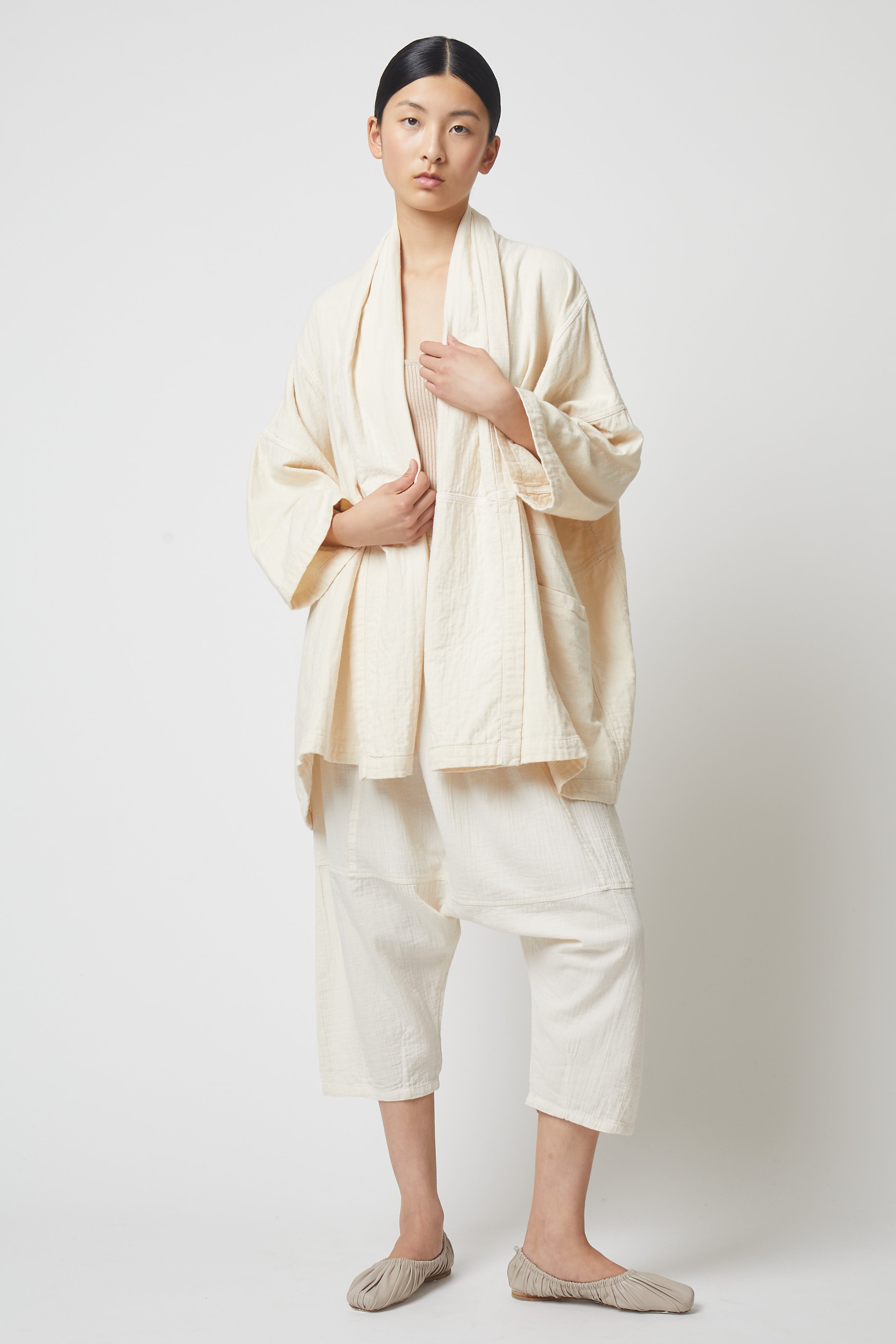
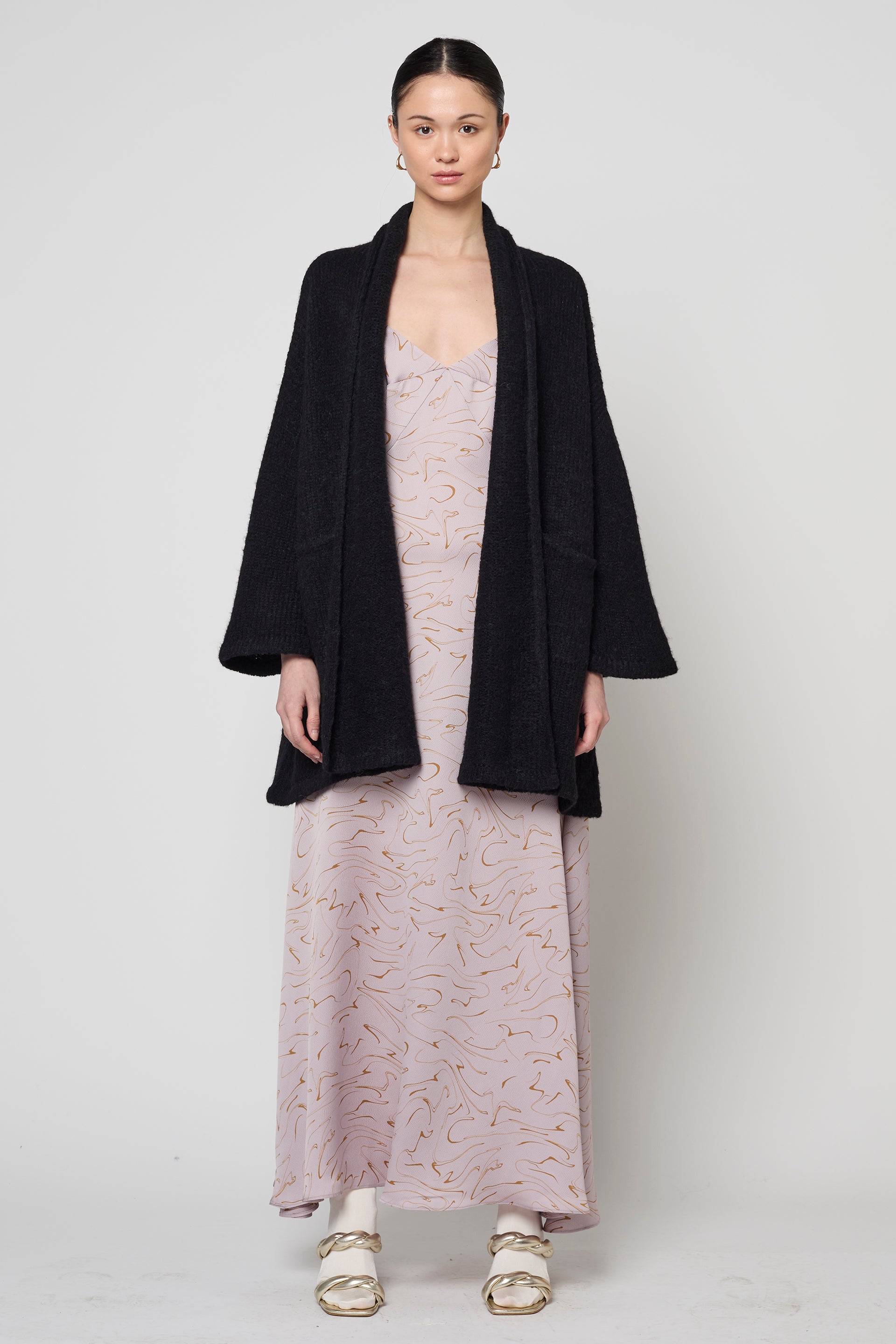
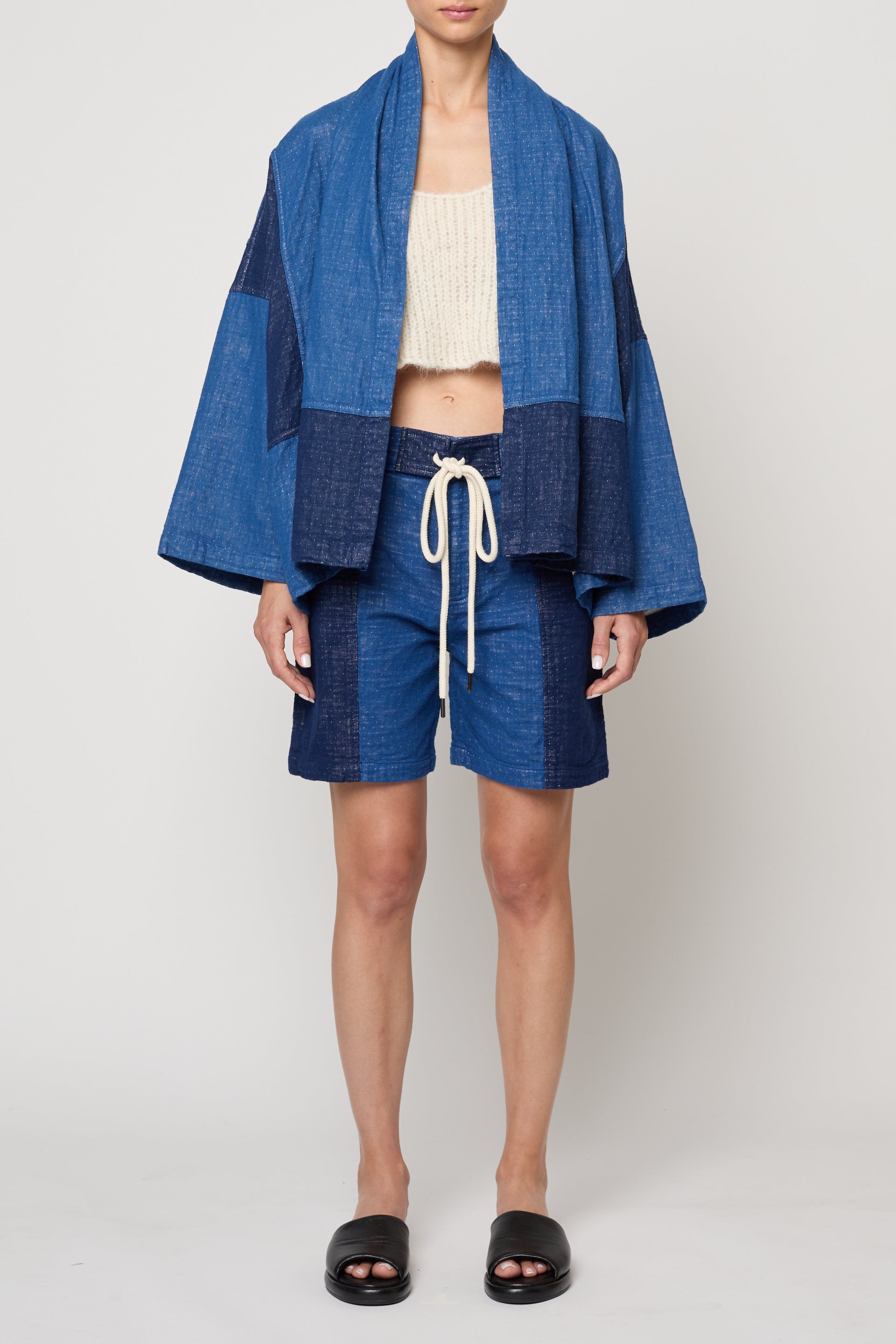
In different climates and landscapes, the haori becomes something else. A lightweight coat against the wind. A layer over woven dresses. A quiet structure over tailored trousers. It shifts with its surroundings without losing its line.
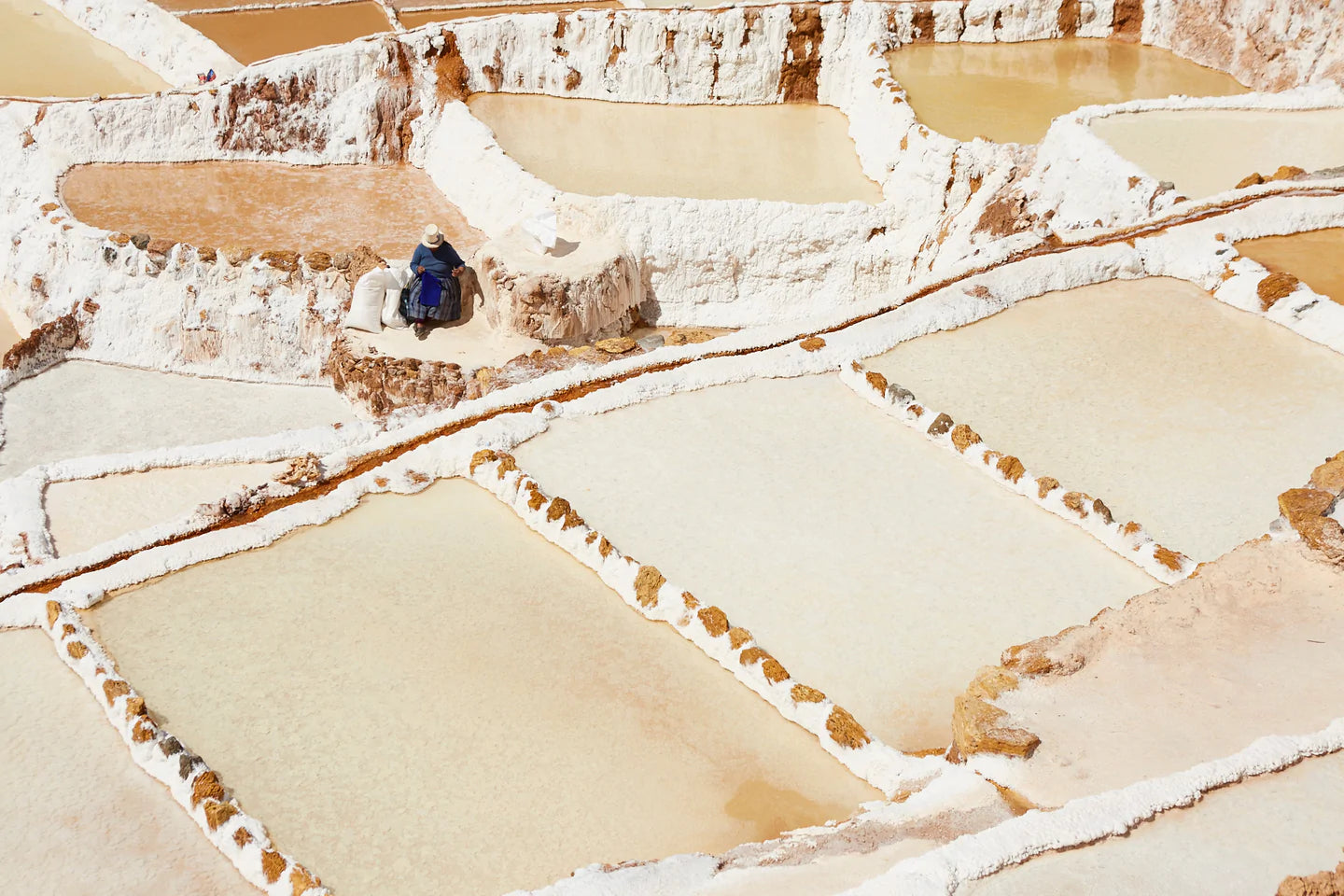
Faced with today's global social issues, cross-cultural challenges, and historical footprints, I decided I wanted to do something to help create a better world.
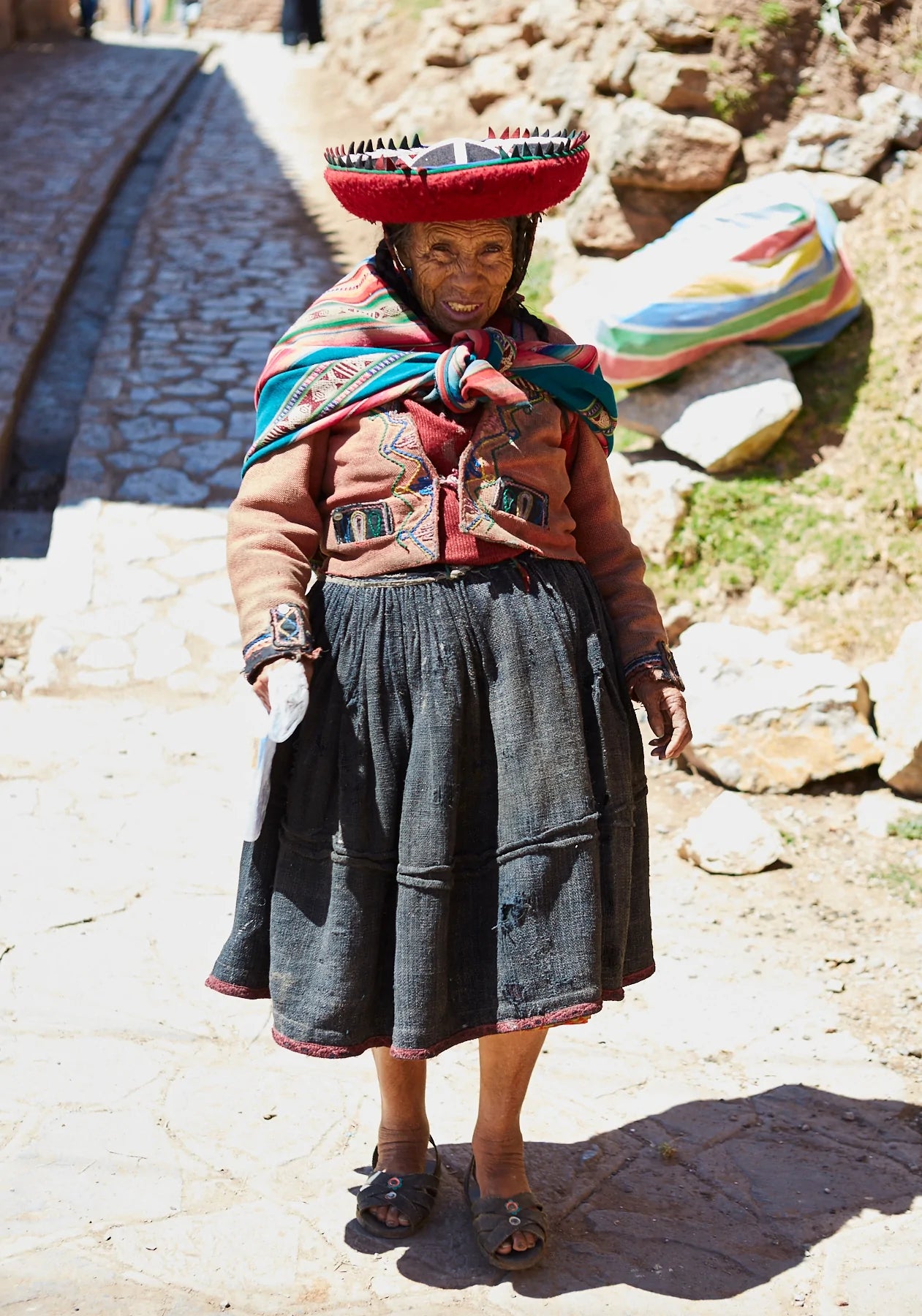
I can make clothing, but with creativity, could I connect people?
The haori coat connects past and present. A Japanese silhouette interpreted through fabric and proportion. A shape that can be worn anywhere without explanation.
Could I find light in the hidden parts of the world and share the authenticity I experience to inspire and make a difference?
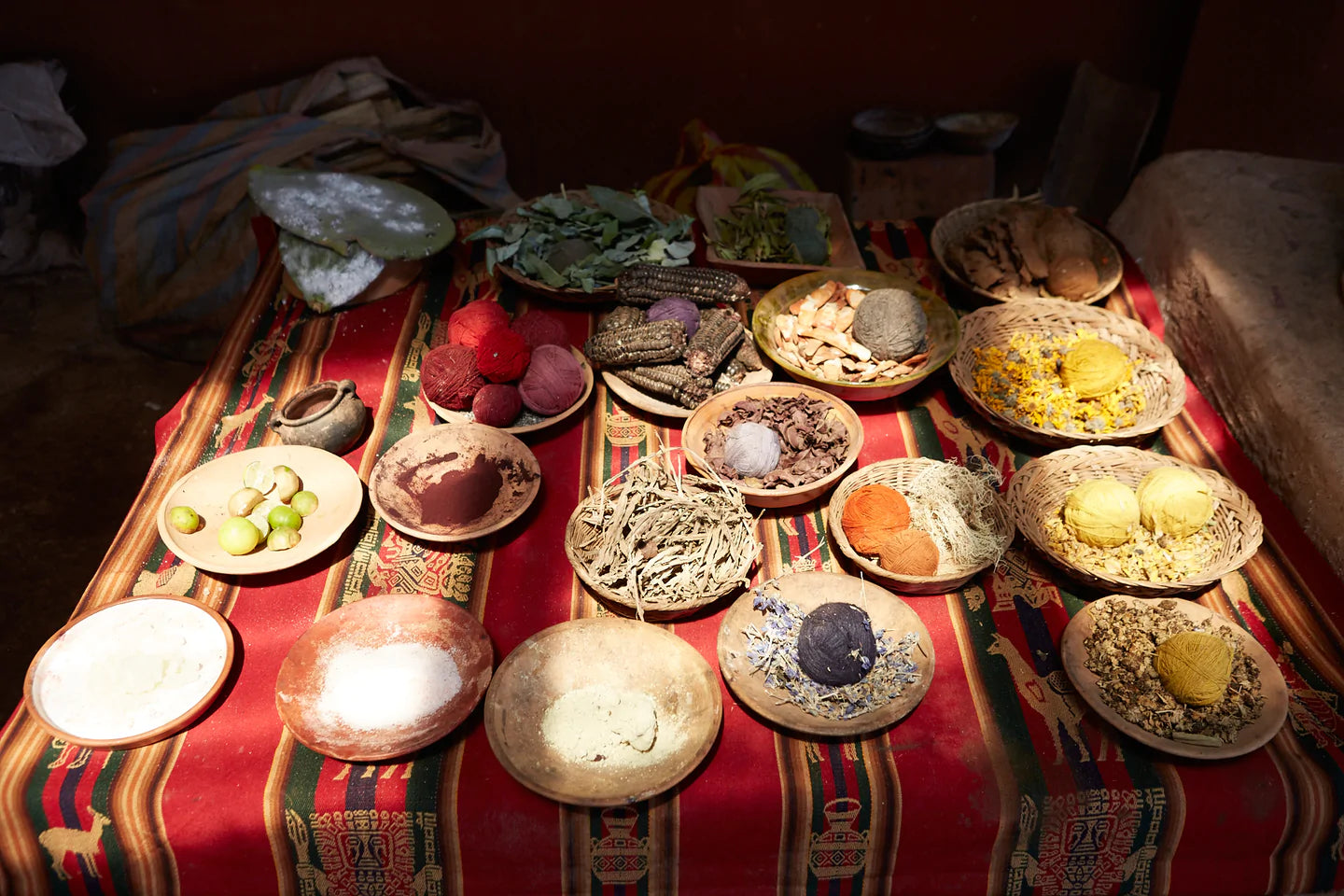
Good people to good people. Genuineness often exists where commerce is quite disregarded.
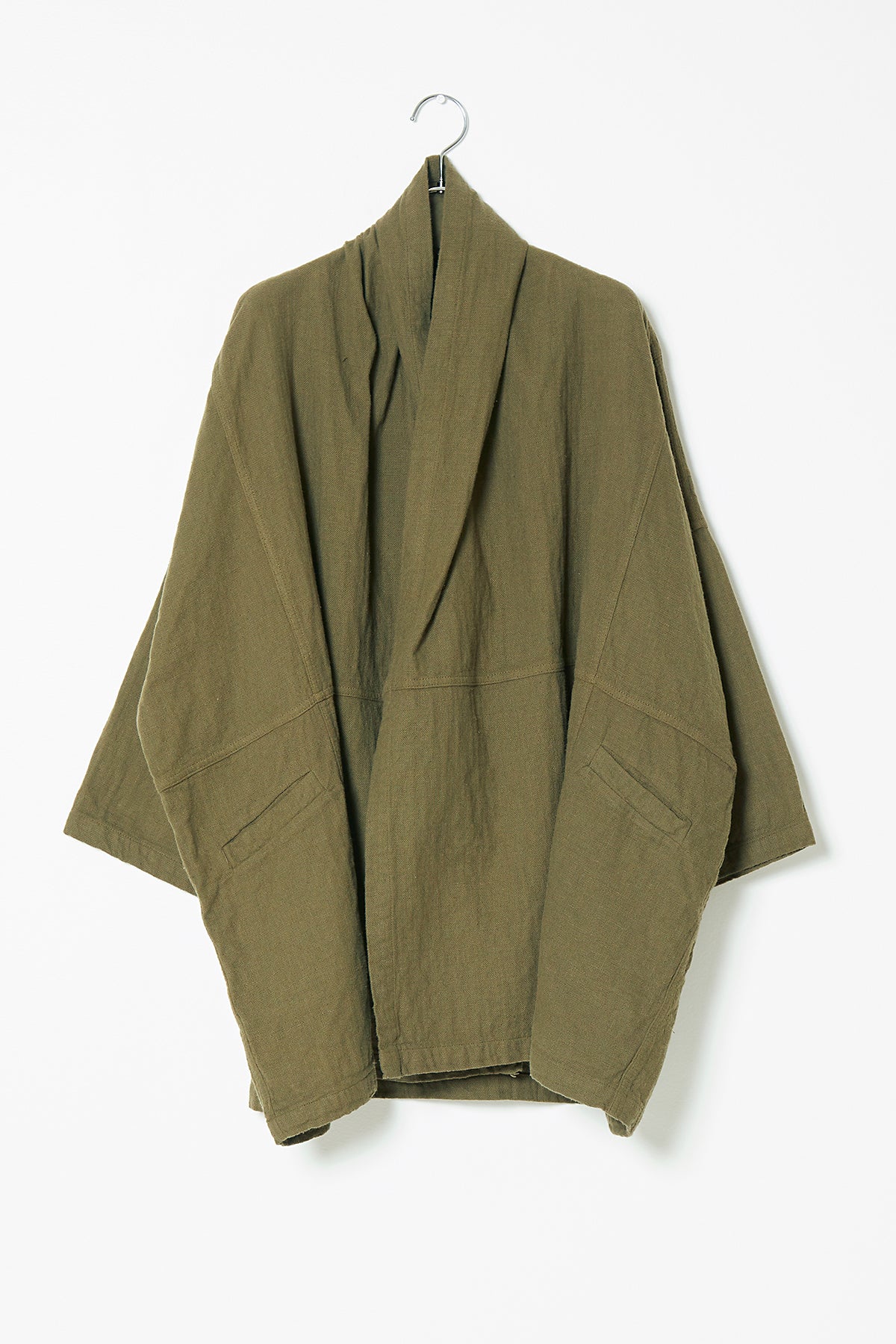
The Haori Coat
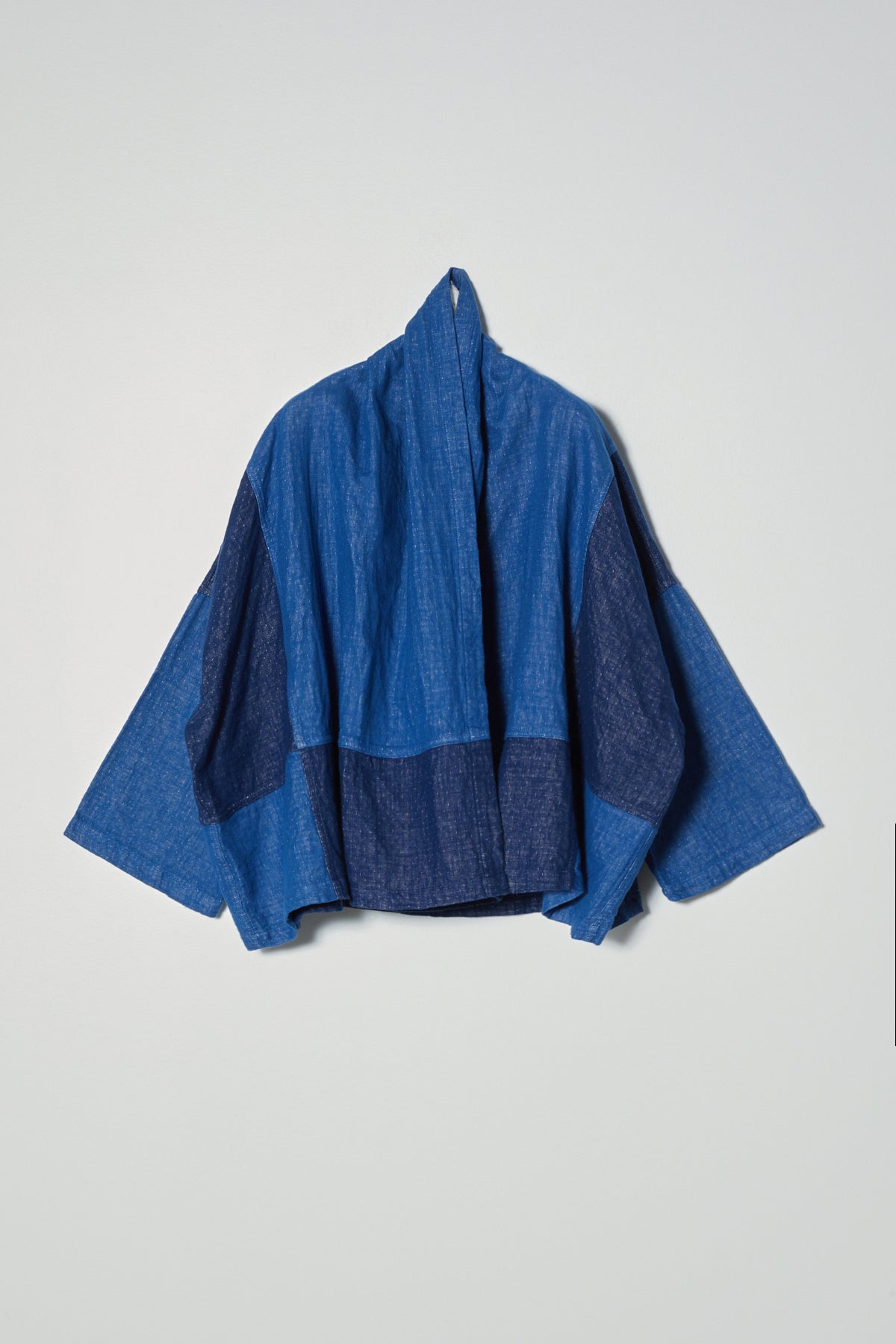
The haori coat originated in Japan as a short outer garment worn over a kimono. As a Japanese coat, its clarity of line and emphasis on proportion distinguish it from heavier Western outerwear. Traditionally cut with a straight body and open front, it was designed as a layer rather than a wrap. Its proportion allows the garment beneath to remain visible while adding structure and warmth.
Over time, the haori coat moved from formal settings into everyday life. In contemporary fashion, the term kimono jacket is often used to describe similar silhouettes. While related, the haori coat refers to a specific construction and lineage within Japanese dress.
Historical Context
The haori coat became widely worn during the Edo period, evolving alongside shifts in daily life and travel. It was practical. It protected garments beneath. It allowed mobility. Its simplicity made it adaptable across regions and climates. In contemporary wardrobes, the haori coat is sometimes grouped alongside the Japanese chore coat for its workwear-influenced simplicity, though its construction remains distinct.
Fabric and Construction
Traditionally, haori coats were made from silk or woven textiles suited to the season. Contemporary interpretations explore wool, cotton, and textured fabrics that respond to climate and movement. The straight cut, open front, and careful proportion remain central to the garment’s identity.
Within Atelier Delphine’s collection, the haori coat is considered through fabric first. Weight, drape, and texture determine how it rests on the body and how it travels across environments.
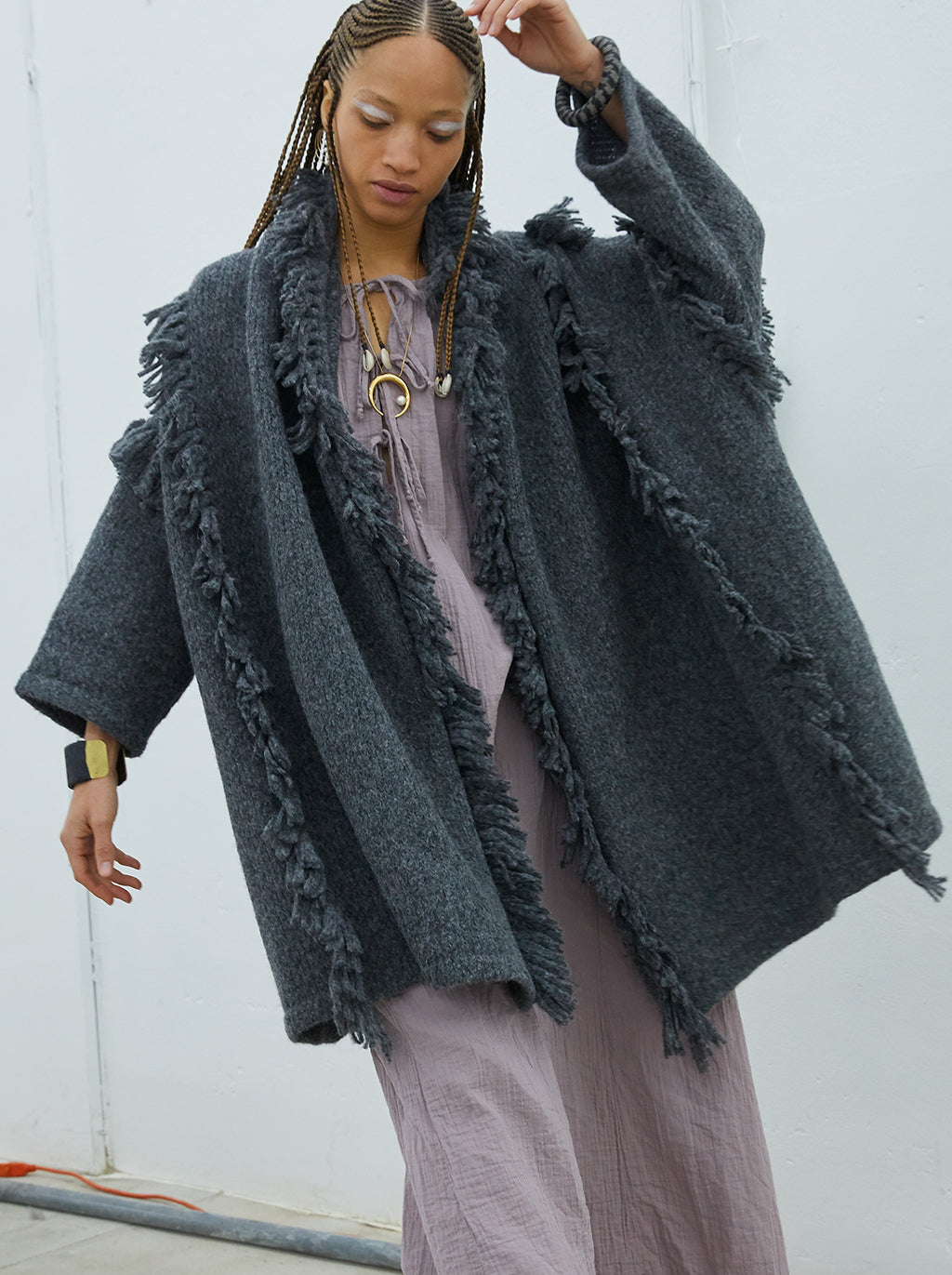
Wearing the Haori Coat
The haori coat functions as a lightweight outer layer across seasons. In warmer climates, it replaces heavier coats. In cooler weather, it layers over knitwear or tailoring without bulk. Its open construction allows movement, making it adaptable without adjustment.