15 Years of Atelier Delphine: Japanese Knitwear & Slow Fashion
In 2026, Atelier Delphine turns fifteen. Before moving forward, I wanted to pause and look back.
Atelier Delphine began in March 2011. I started it alone, working with one sewing woman, without a plan beyond instinct. I didn’t think about branding or scale. I was responding to a feeling. Almost immediately, people found the work and stayed with it. The brand became a mirror. It reflected how I live, how I see the world, and how I experience clothing not just visually, but emotionally and physically.
I studied literature, graphic design, and fine art across three colleges. I did not study fashion design. Clothing became my outlet anyway. It allowed me to express things that language could not always hold. Texture, weight, shape, and movement became a form of writing for me.
Atelier Delphine was never about trends. It was about translating inner states into form through an aesthetic of wabi-sabi clothing.
The Instinctive Beginning: Finding My Language (2011)
I am Japanese, but my relationship to Japan is not straightforward. I left for a reason, and I carry love, distance, nostalgia, and clarity all at once. For a long time, I felt unsure where originality lived. Japan, like many places, was in a state of confusion, and I grew up without a clear sense of what was truly mine.
Coming to the United States allowed me to return to something simpler. Space, air, and distance gave me room to see myself more clearly. That clarity first appeared through shape.
Defining the Atelier Silhouette: Kiko, Haori, and Celeste
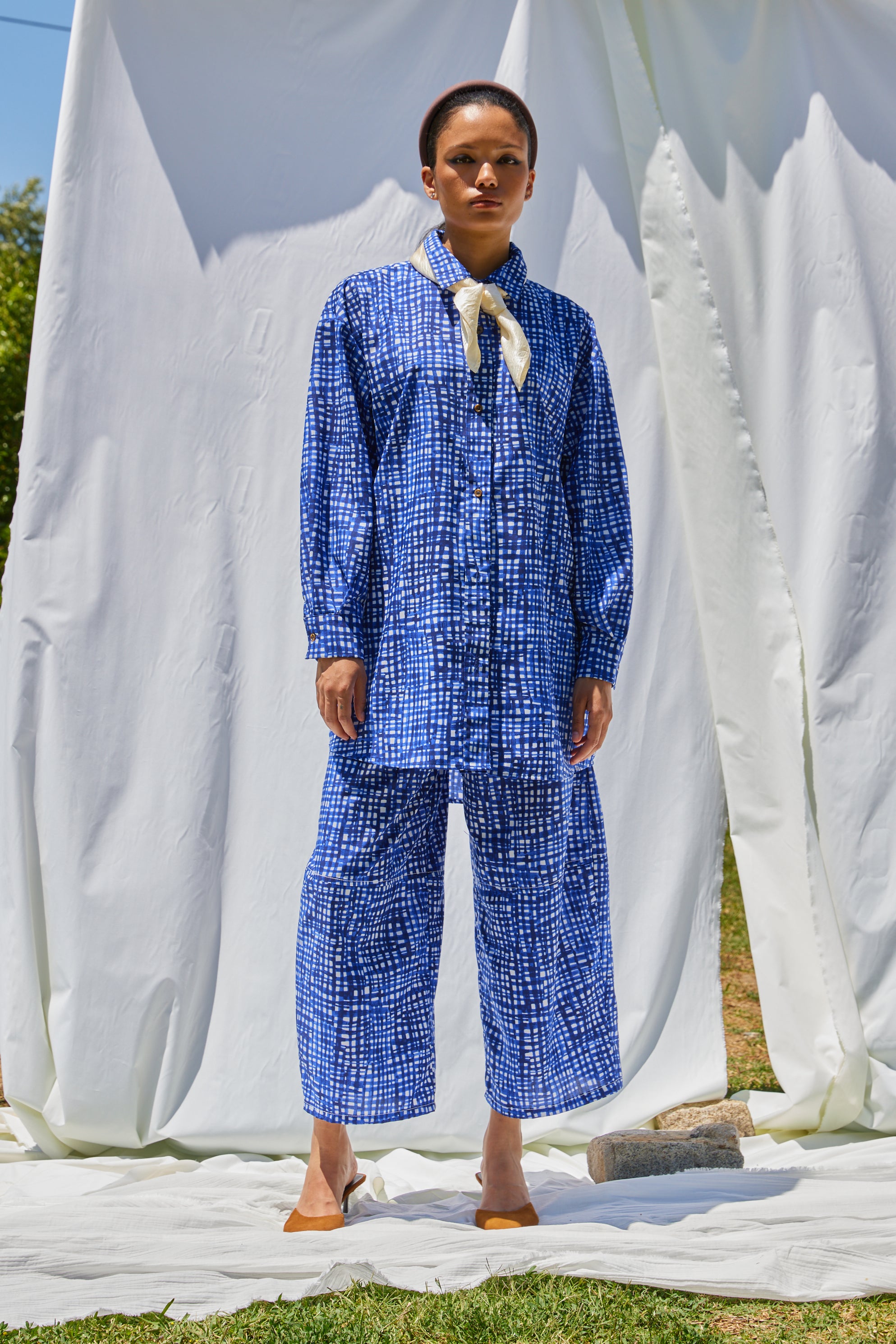
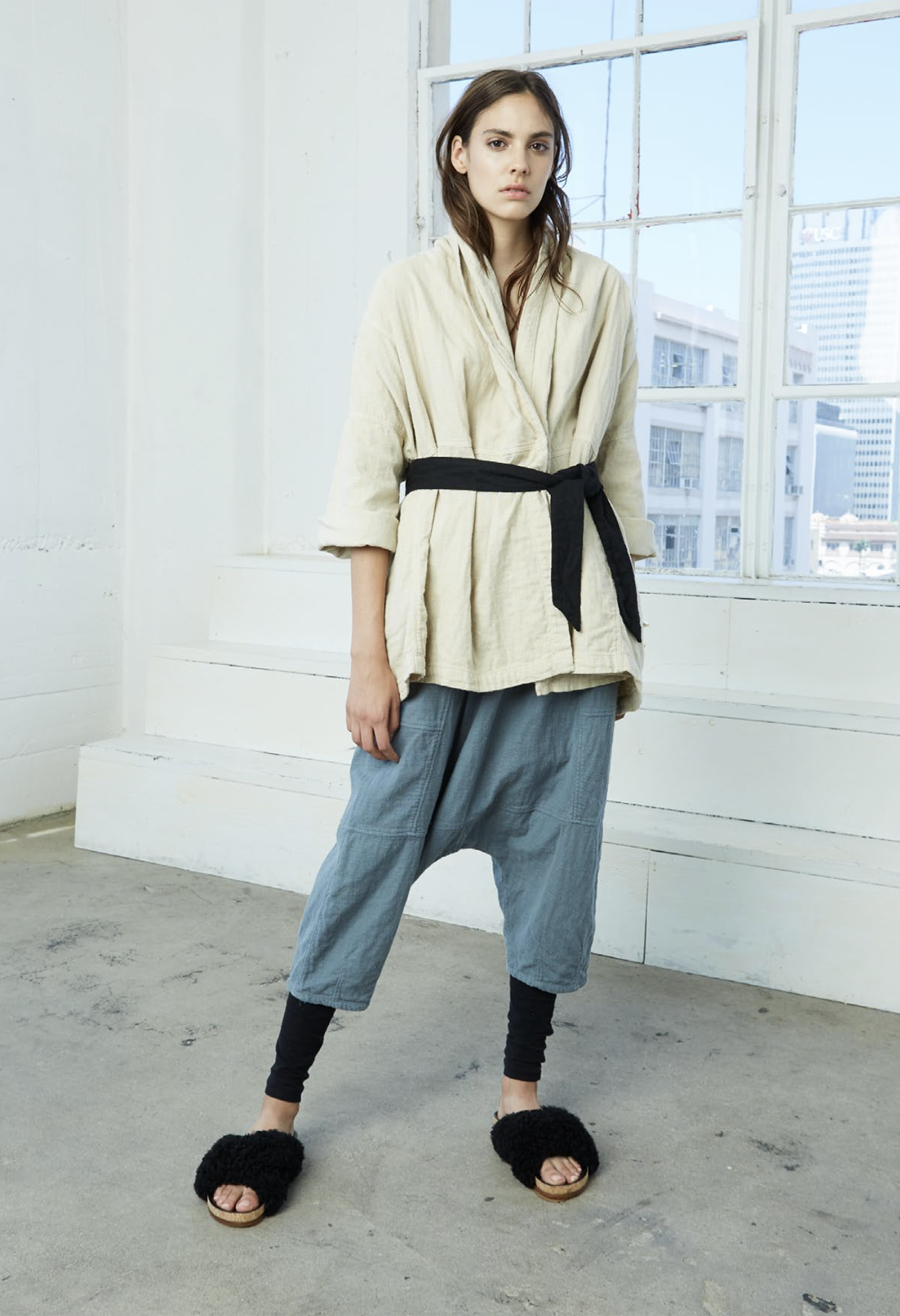
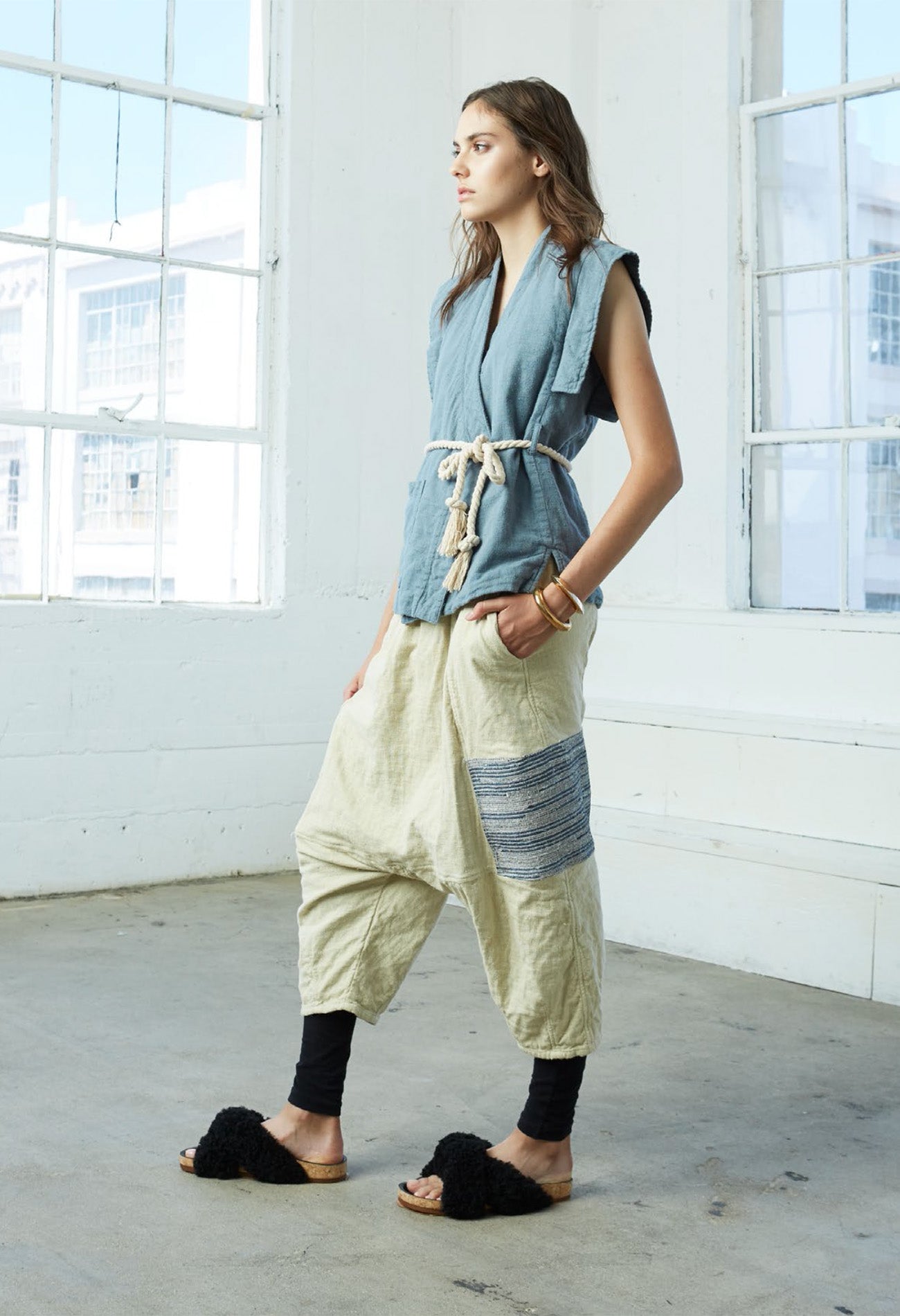
The Kiko Pant and the Haori Coat were not designed as statements. They emerged as answers. Through making them, I began to understand my own language. The ease of California, the openness of movement, and a quiet connection to Japanese airiness came together without force.
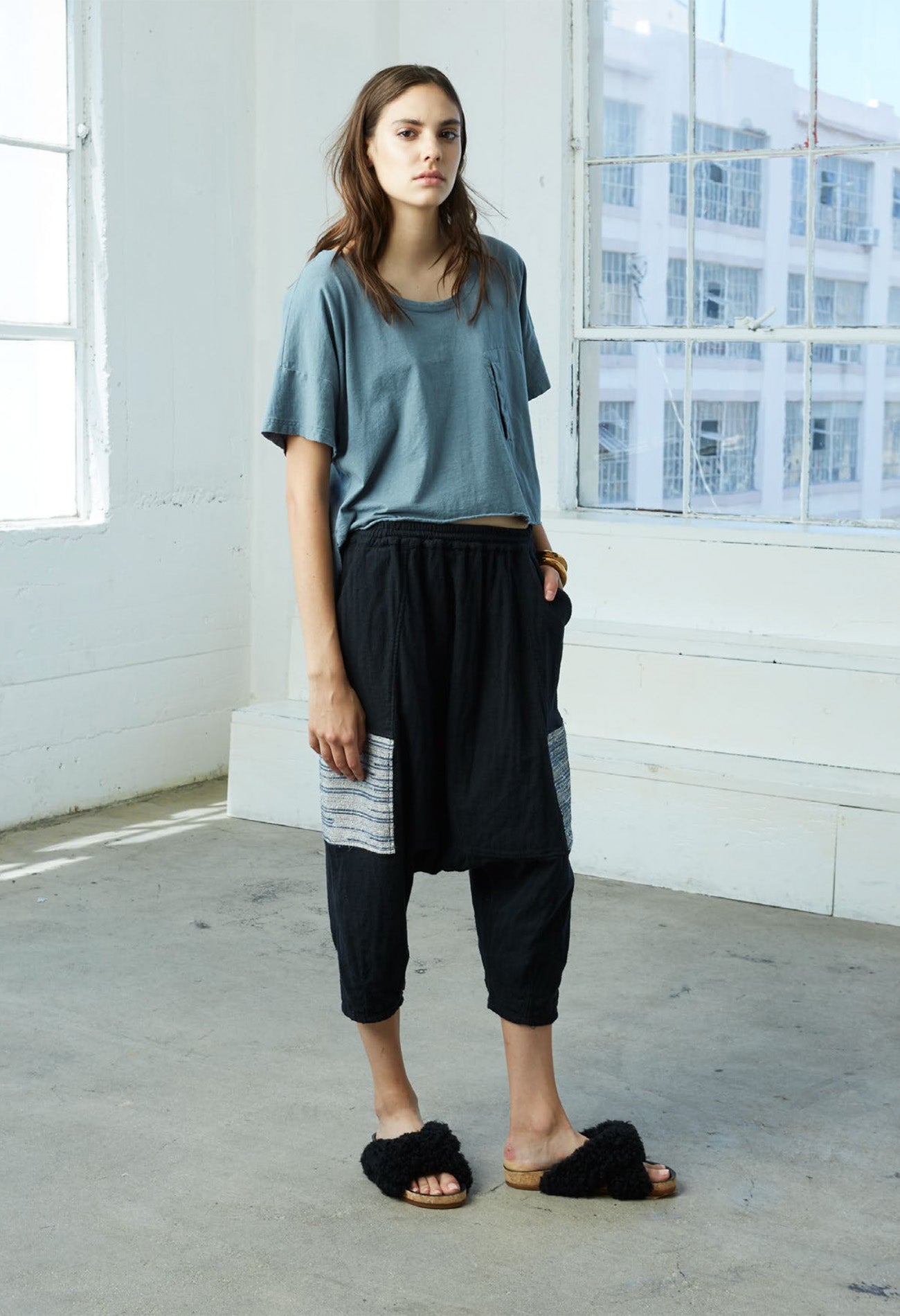
Around the same time, I made the Celeste Top. It is one of the closest garments to the body I have ever designed. Bare, breathable, and uncomplicated. It belongs to California, but it carries the same sense of openness I associate with Japan.
Through these pieces, I began studying Atelier Delphine itself. Not as a brand, but as a style that was forming naturally. Making the Haori Coat, Kiko Pant, and Celeste Top allowed me to understand what my version of Japanese and Californian could look like when they meet.
Japanese Knitwear and The Foundation of Fabric
I communicate visually more than verbally. That has always been true. Clothing allowed me to be precise without overexplaining. Fabric has always been non-negotiable for me. I cannot separate emotion from material. I know immediately when something is wrong. In the early years, I was often told to compromise quality for price. I could not do it. Over time, I realized this sensitivity was not a flaw. It was the foundation of the brand.
In the first era of Atelier Delphine, I worked exclusively with Japanese fabrics and produced everything in Los Angeles. I learned from factories and vendors who became my teachers. Without formal fashion training, I remained a student in every room. The brand grew through instinct, repetition, and trust in the principles of slow fashion.
The Evolution Of Knit
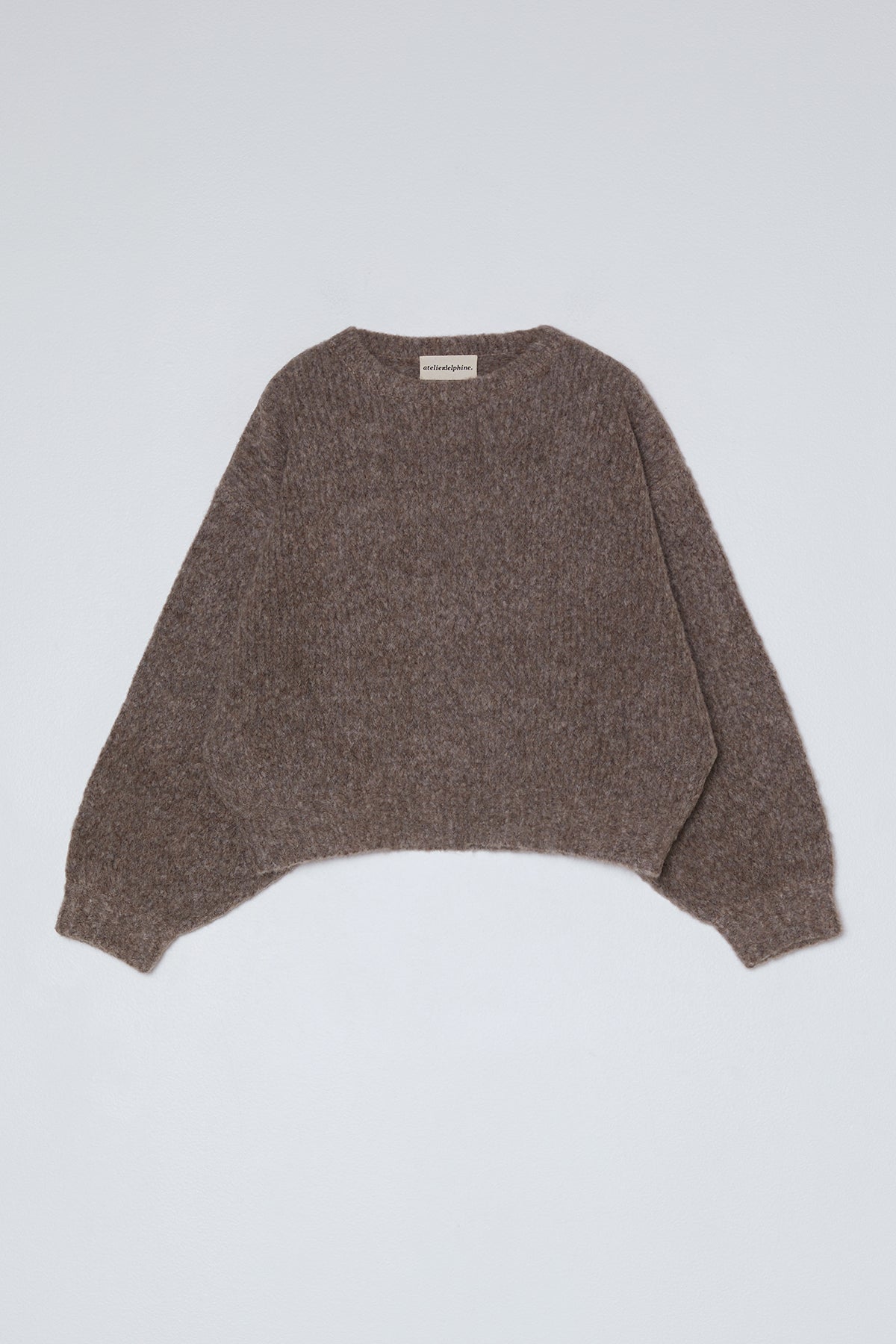
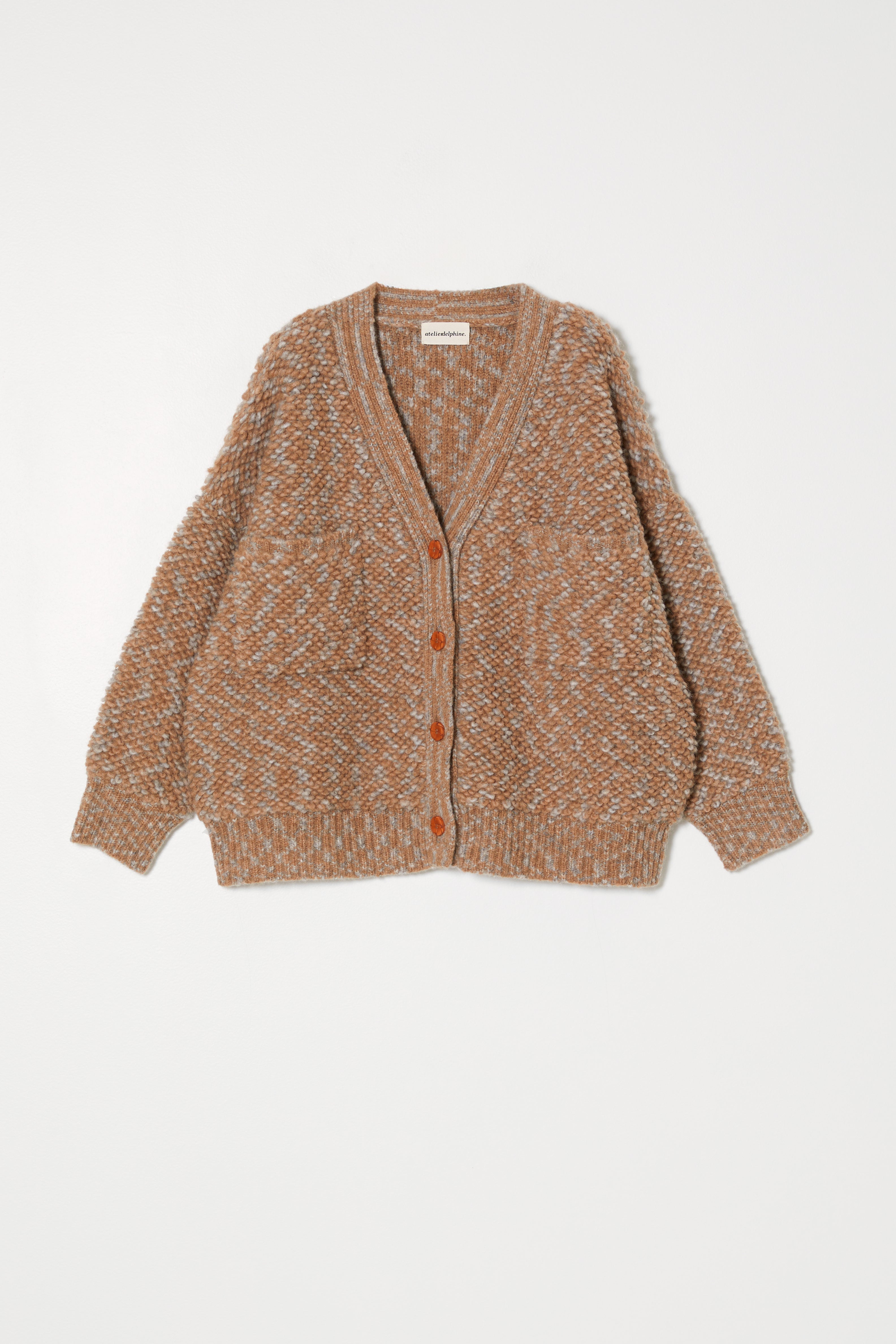
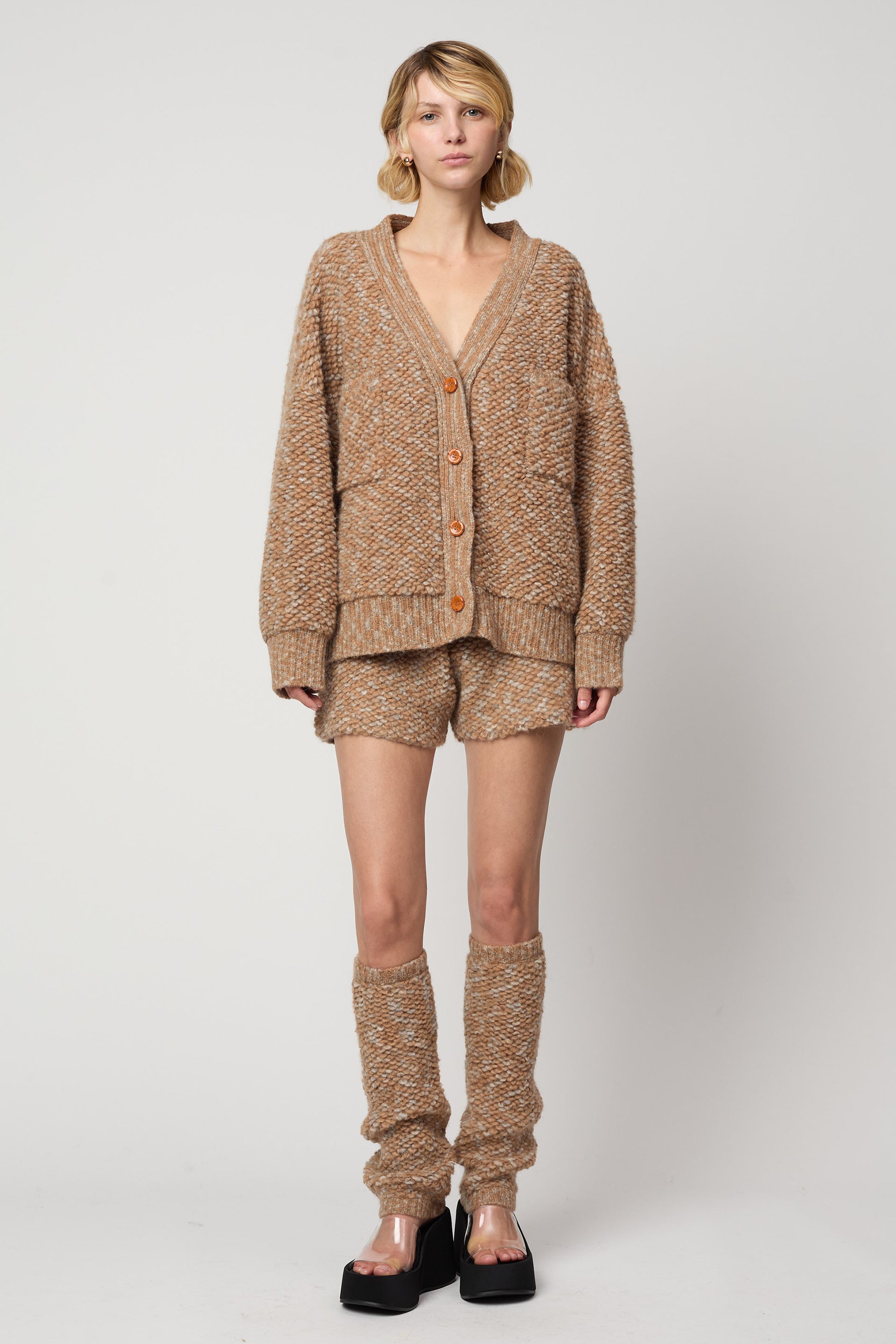
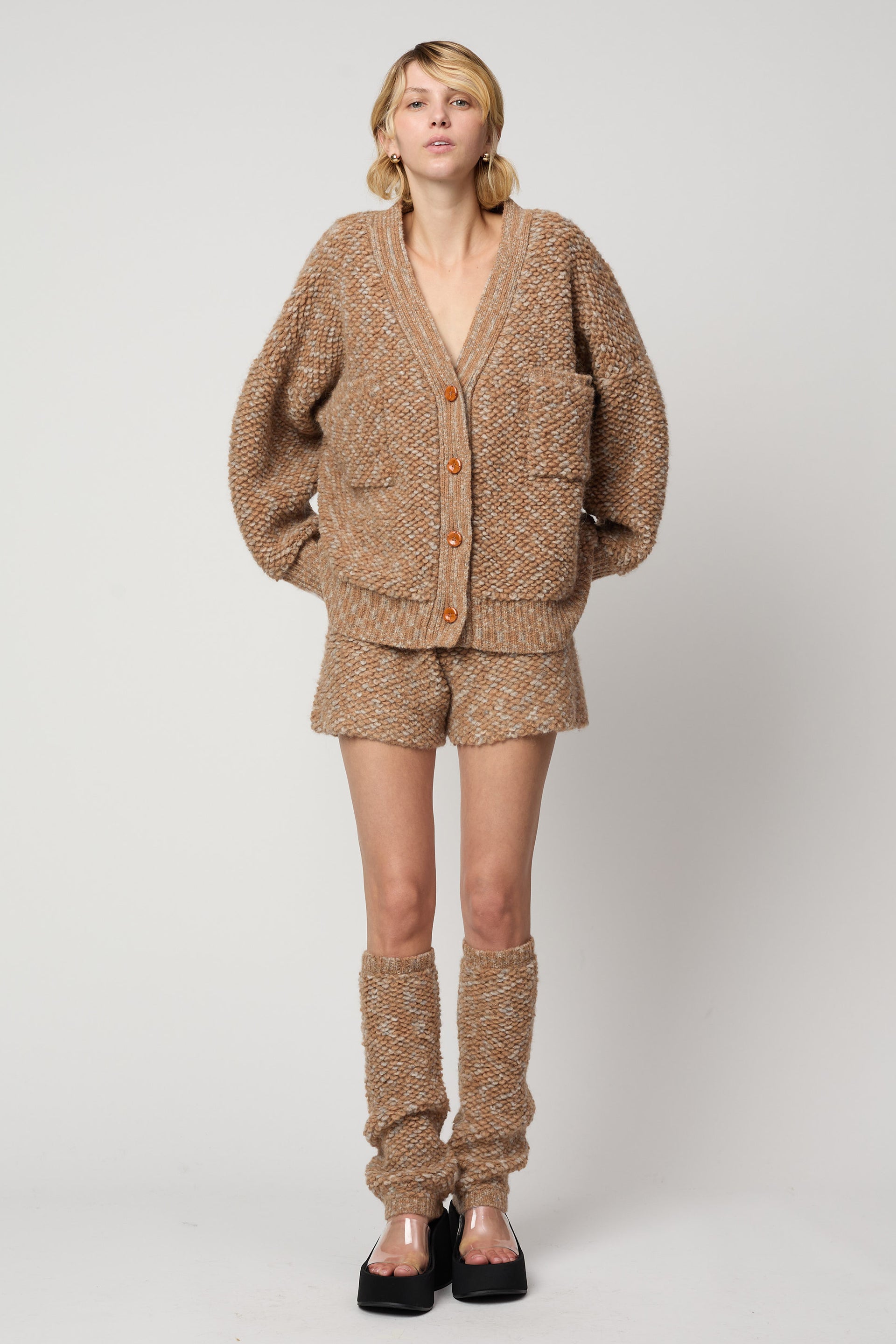
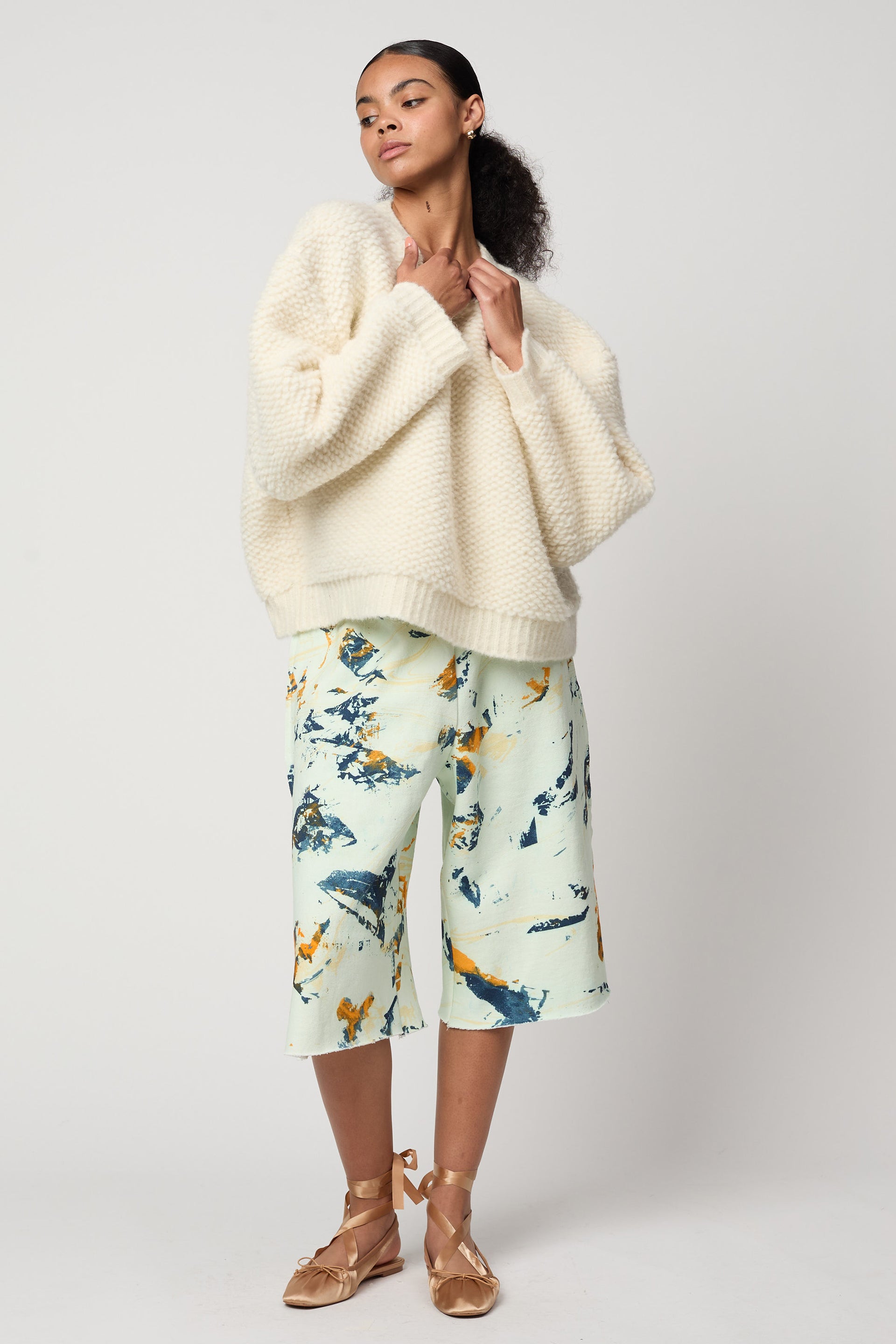
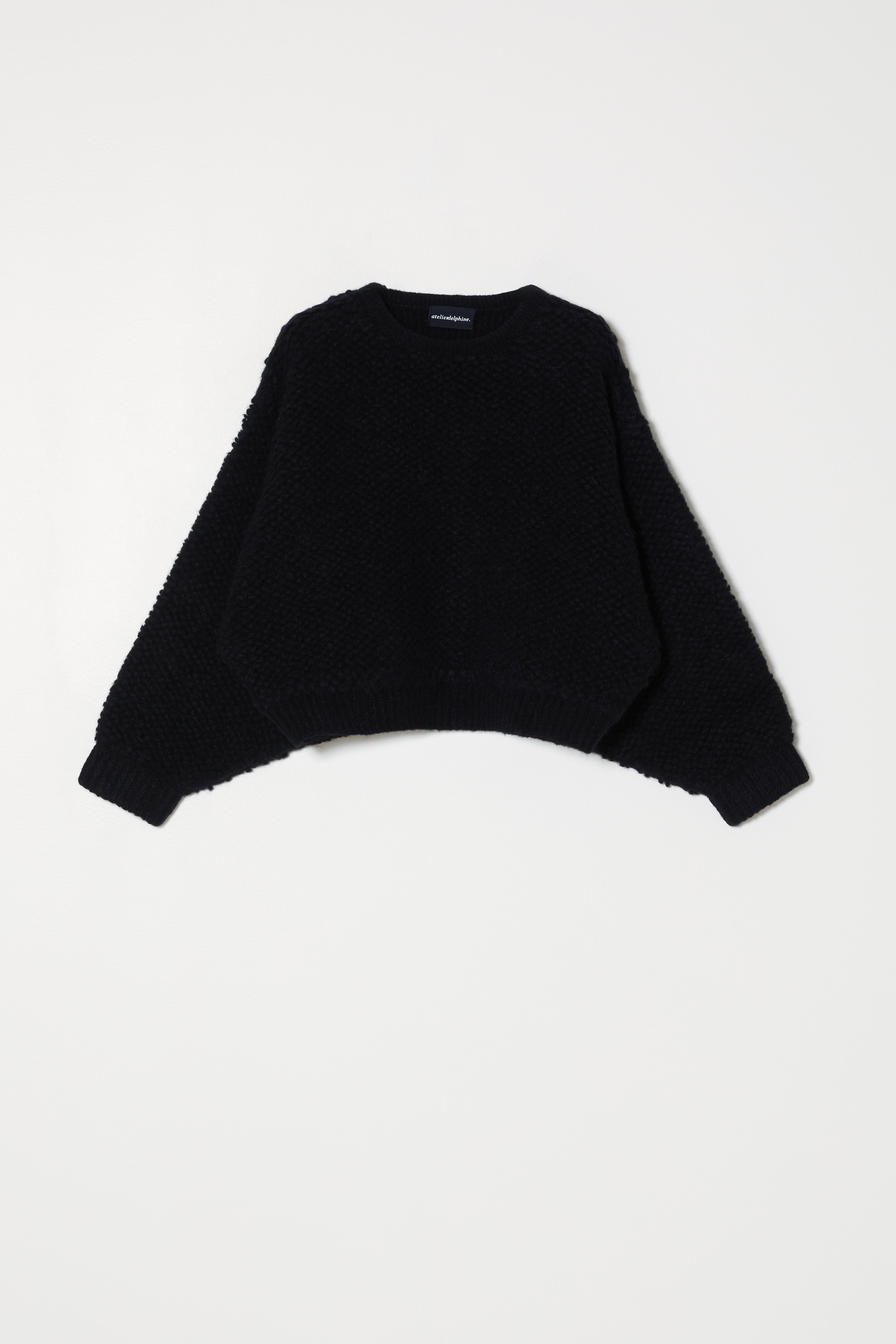
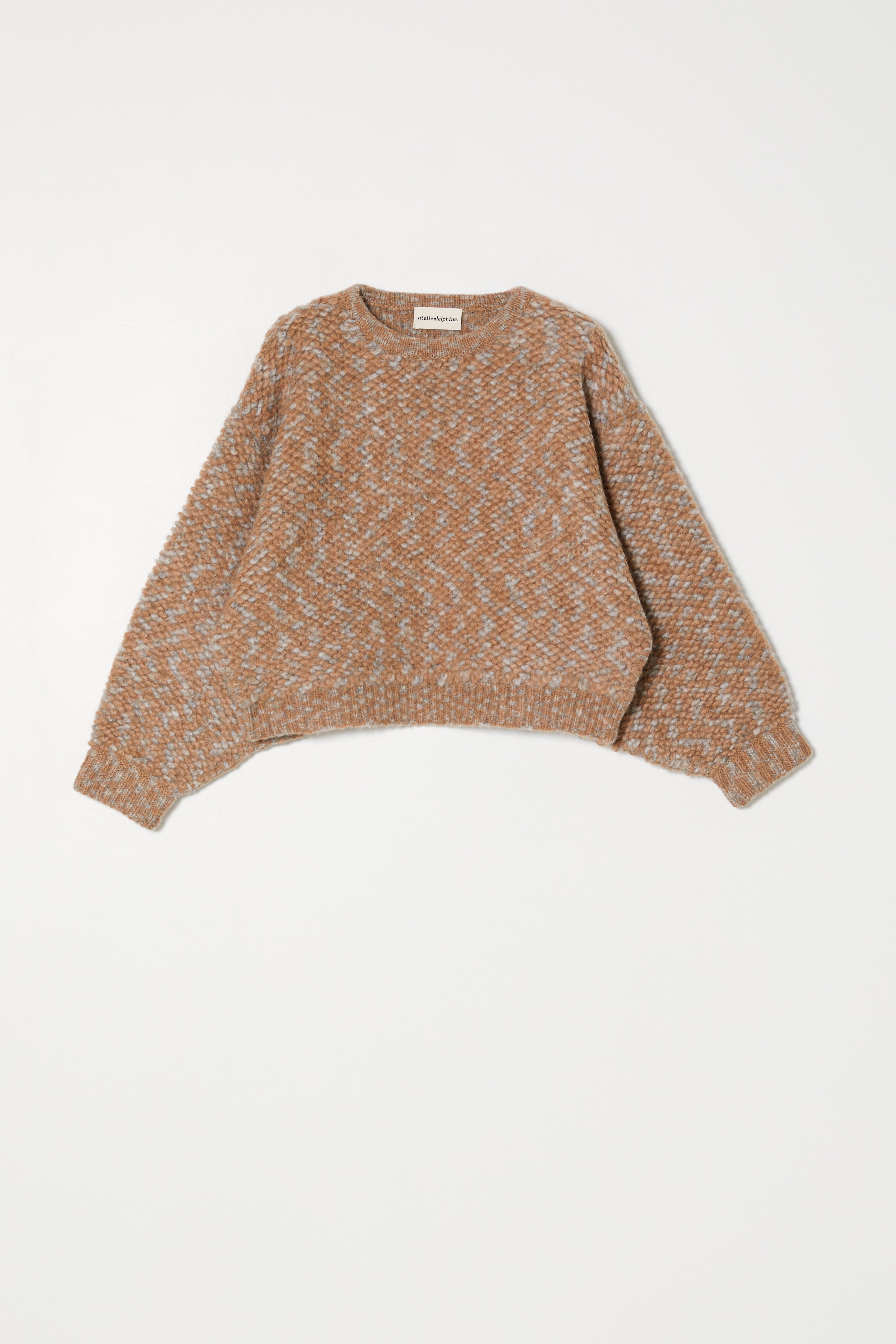
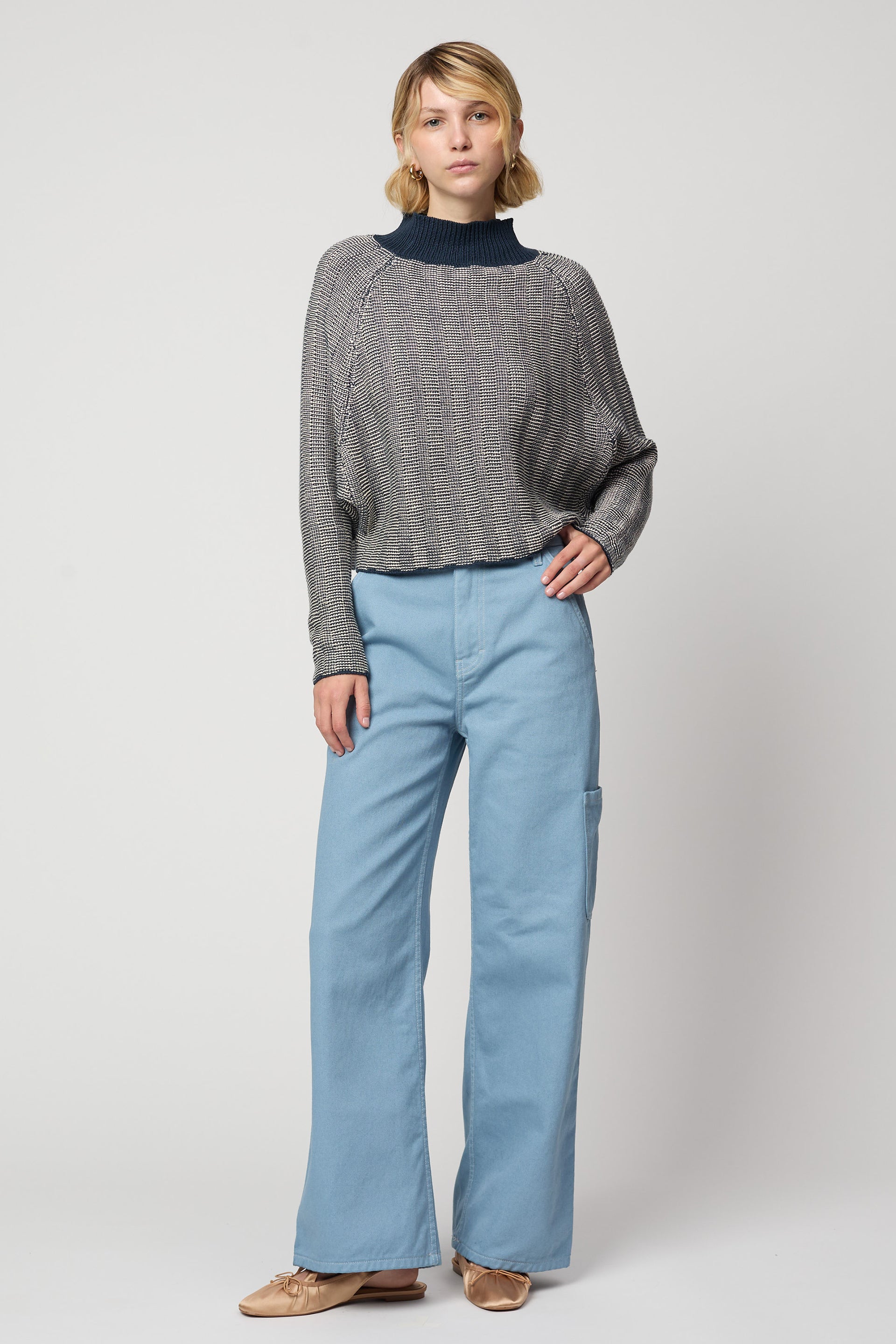
The Balloon Sleeve Sweater was one of the first shapes that fully expressed what alpaca could do. Volume and softness held together, allowing the yarn to move with the body rather than sit on it. What began as an experiment slowly became familiar.
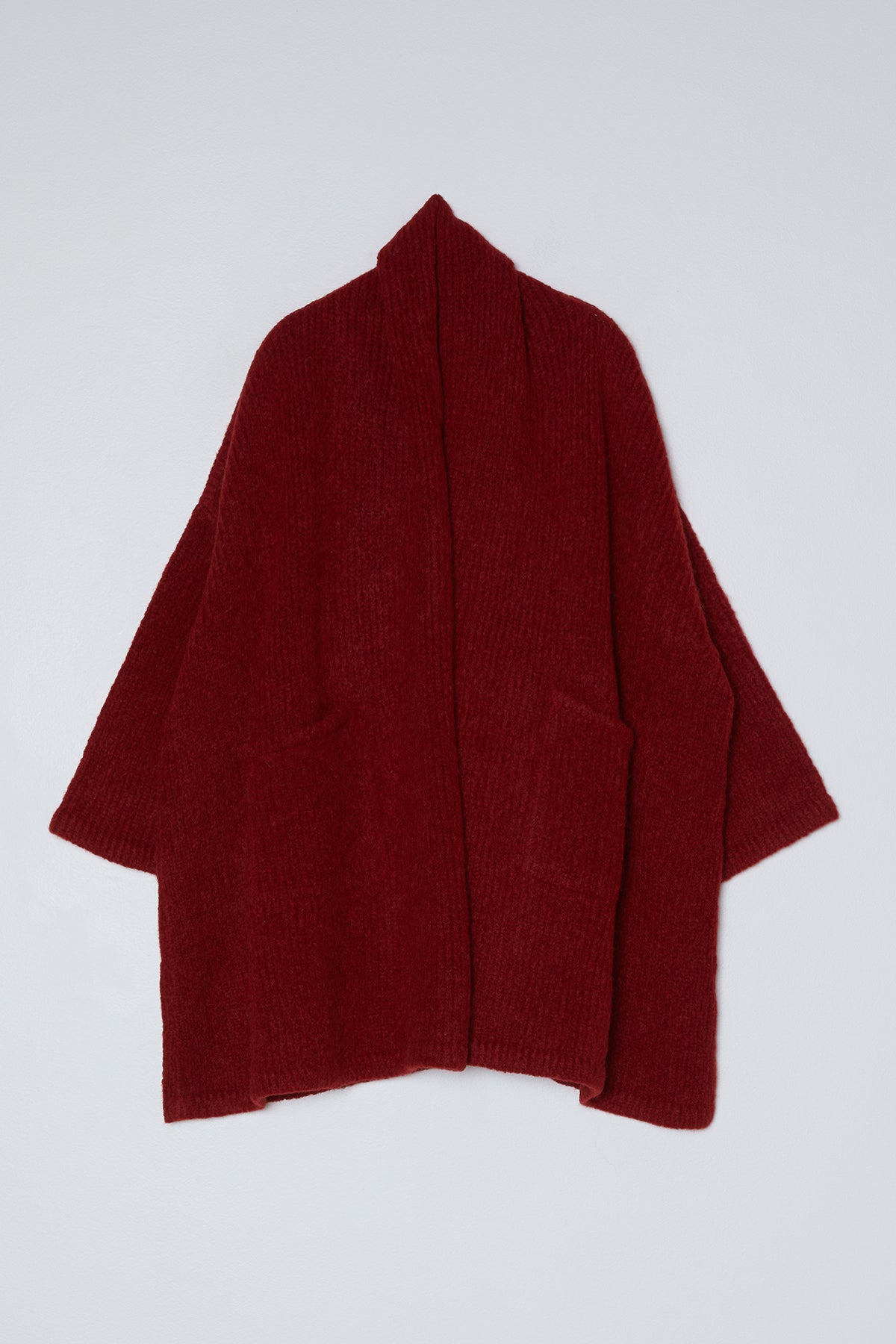
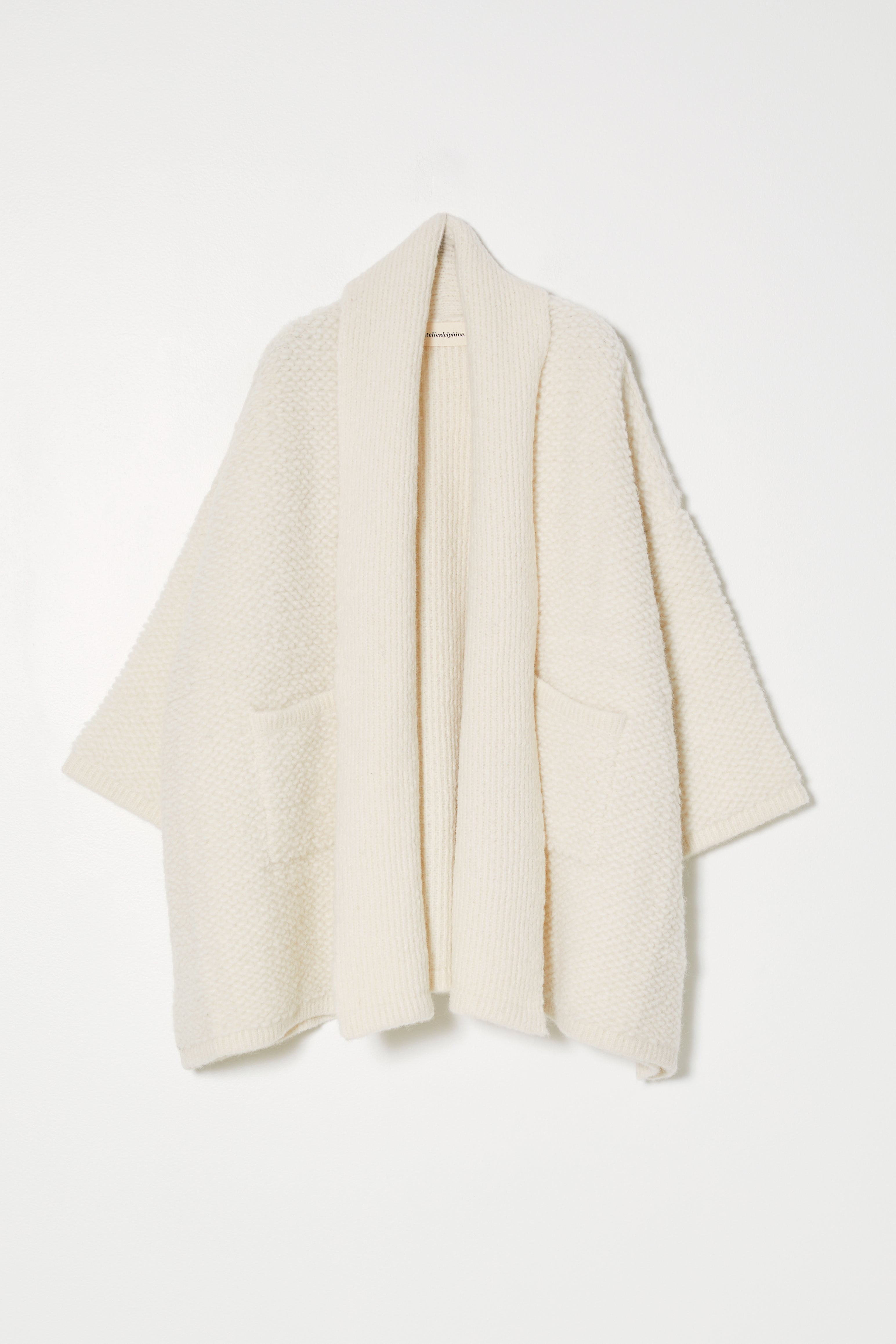
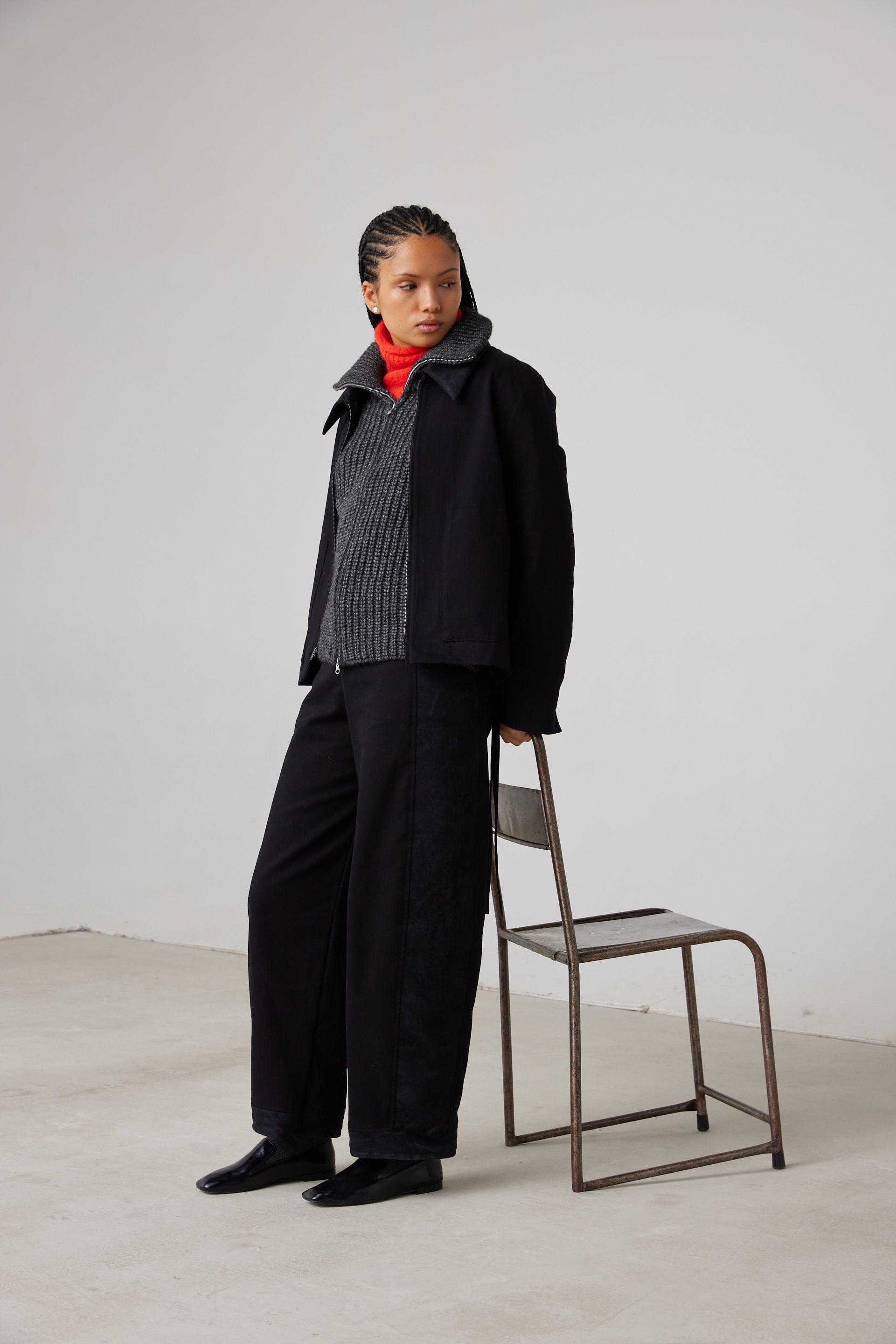
The Haori Coat followed, translated into alpaca. A Japanese structure carried through a different material and geography. It felt both grounded and open, and helped define how tradition could be reinterpreted without being literal.
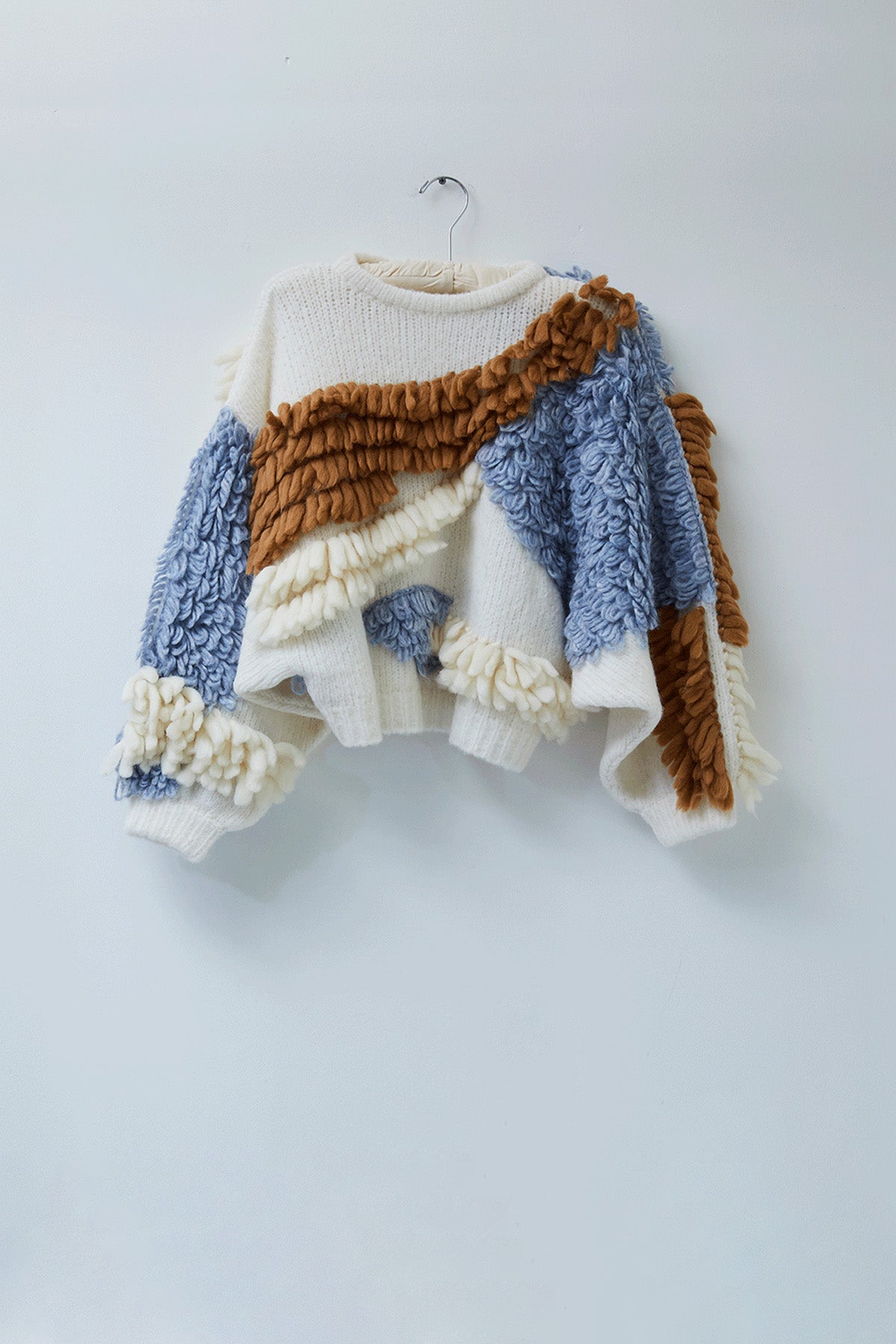
The Paladora Sweater came from a different place. It was built on the Balloon Sleeve silhouette, but pushed further. Each fringe was attached by hand. The process was slow and deliberate. The inspiration came from Icelandic landscapes—raw, quiet, and expansive. The piece held that sense of movement and terrain, while still staying connected to the body.
Longevity, Intimacy, and the 15-Year Archive
Looking back at pieces from the past fifteen years, what I feel most is time. Not nostalgia, but presence. Each garment carries decisions, hands, mistakes, and care. Clothing absorbs life. That has always mattered to me.
As Atelier Delphine moves forward, I wanted to acknowledge what remains. Not as the past, but as part of the same conversation. Some pieces are no longer in production. Not because they failed, but because their time feels complete.
From the Archive: Women’s Knitwear
- The Haori Coat Extra Long (Alpaca Knitwear): It will not be reproduced. The scale, the length, and the way alpaca holds warmth and weight in this shape feels resolved to me. This represents our dedication to womens knitwear that lasts.
- The Haori Coat (French Terry Knitwear): Chunky, warm, and quietly charming. A piece that feels protective without being heavy. It was never meant to be repeated endlessly. This represents our dedication to women's knitwear that lasts.
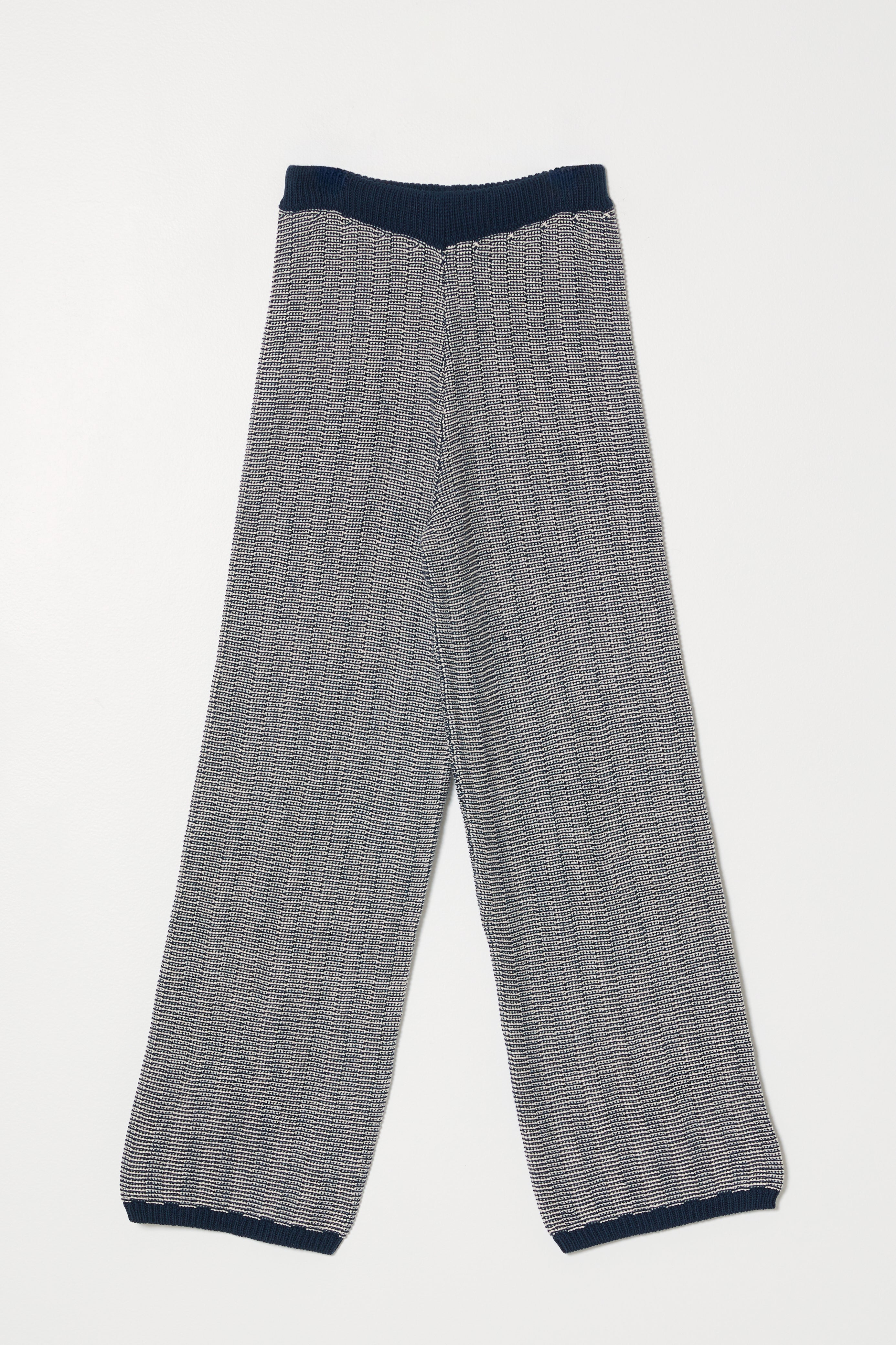
- The Asfi Pant: Made from washed wool gauze—a material that still feels rare. The fabric is crafted with a traditional Japanese handwork technique, utilizing an origami-like approach. The self-tie belt is inspired by obijime, the slim decorative cord worn over an obi on a kimono jacket. It remains one of the most revolutionary fabrics I have worked with.
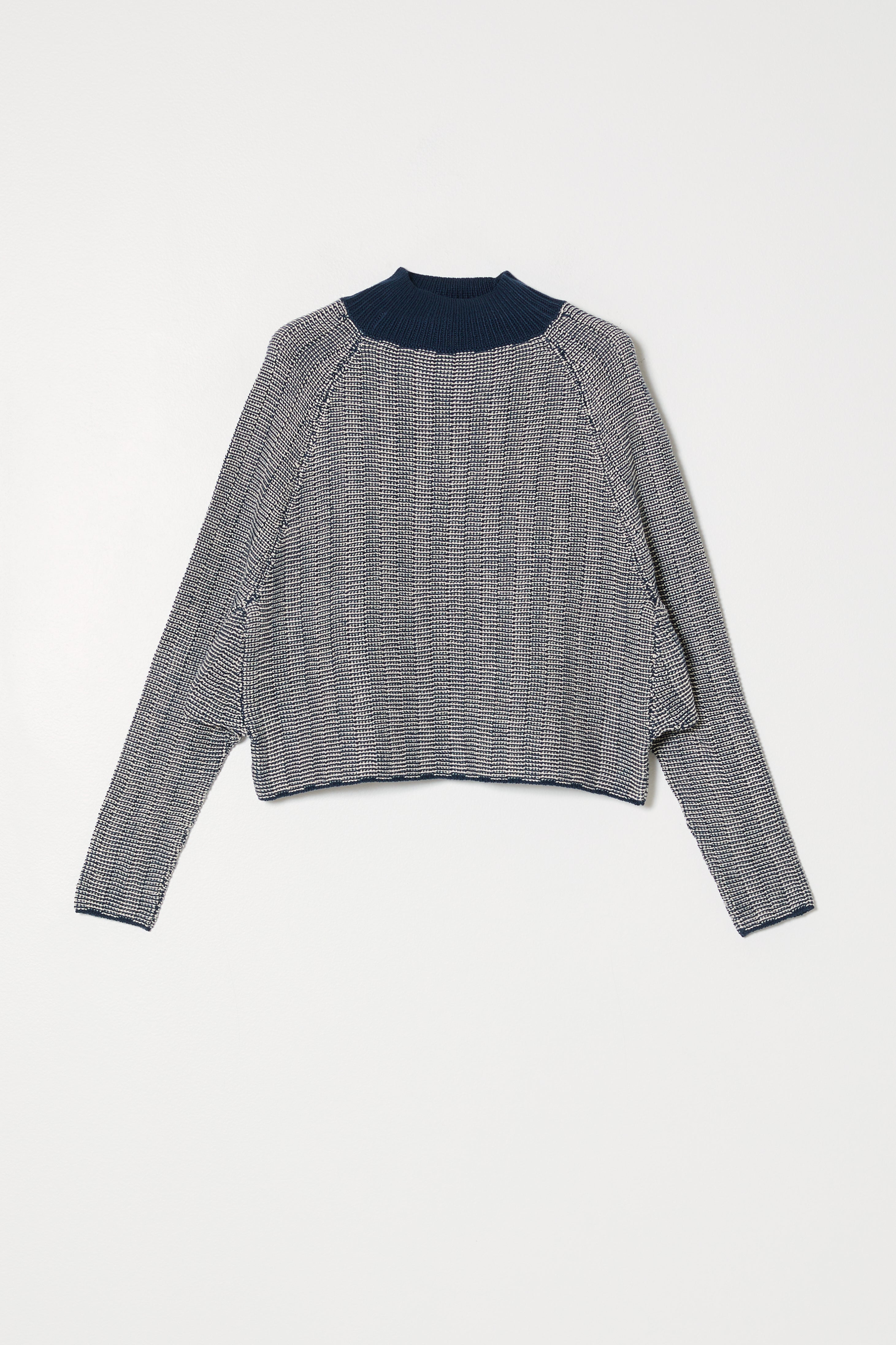
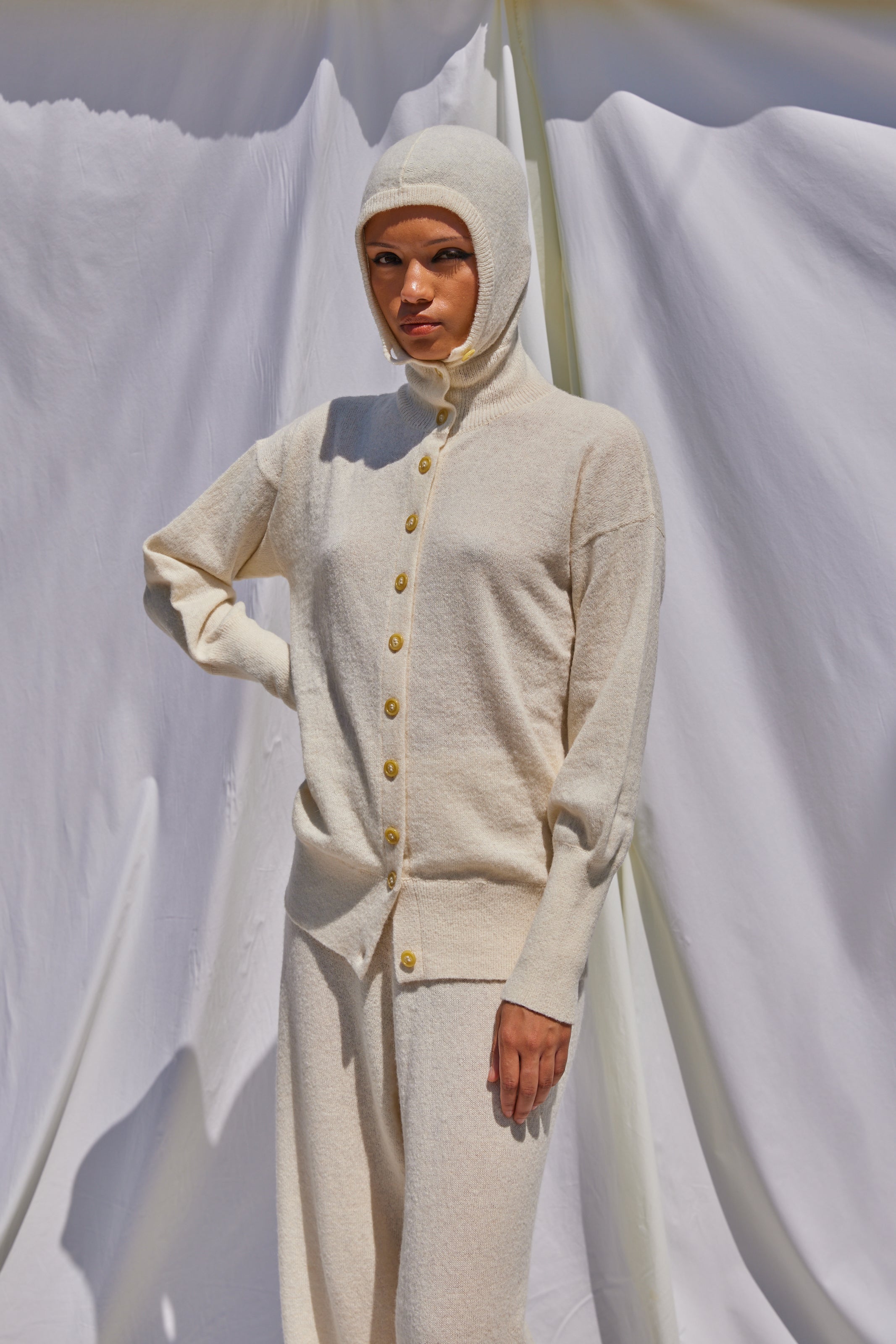
These pieces are part of our archive now. They represent ideas that were fully explored, materials that spoke clearly, and garments that lived their intended life. To mark our fifteenth anniversary, we are unveiling a curated selection from our archive. Some pieces will not return. They are here now, as they are. Still wearable. Still present. Still carrying time. It is a tribute to the lasting nature of Japanese knitwear.
The Next Chapter: Japanese Minimalist Clothing
Looking ahead, I want to create from a more lived place. Not only from the studio, but from movement and travel, where the mind softens, and ideas come without force.
I also want to share the work more directly. Styling, materials, and the small decisions behind each piece are spoken of humanely. Less distance, more presence. A quieter, closer exchange of wabi sabi clothing.
I invite you to explore these stories and the evolution of our silhouettes through our 15-Year Archive collection. where you can find our signature kimono jacket styles and other ethical knitwear.
Sale